
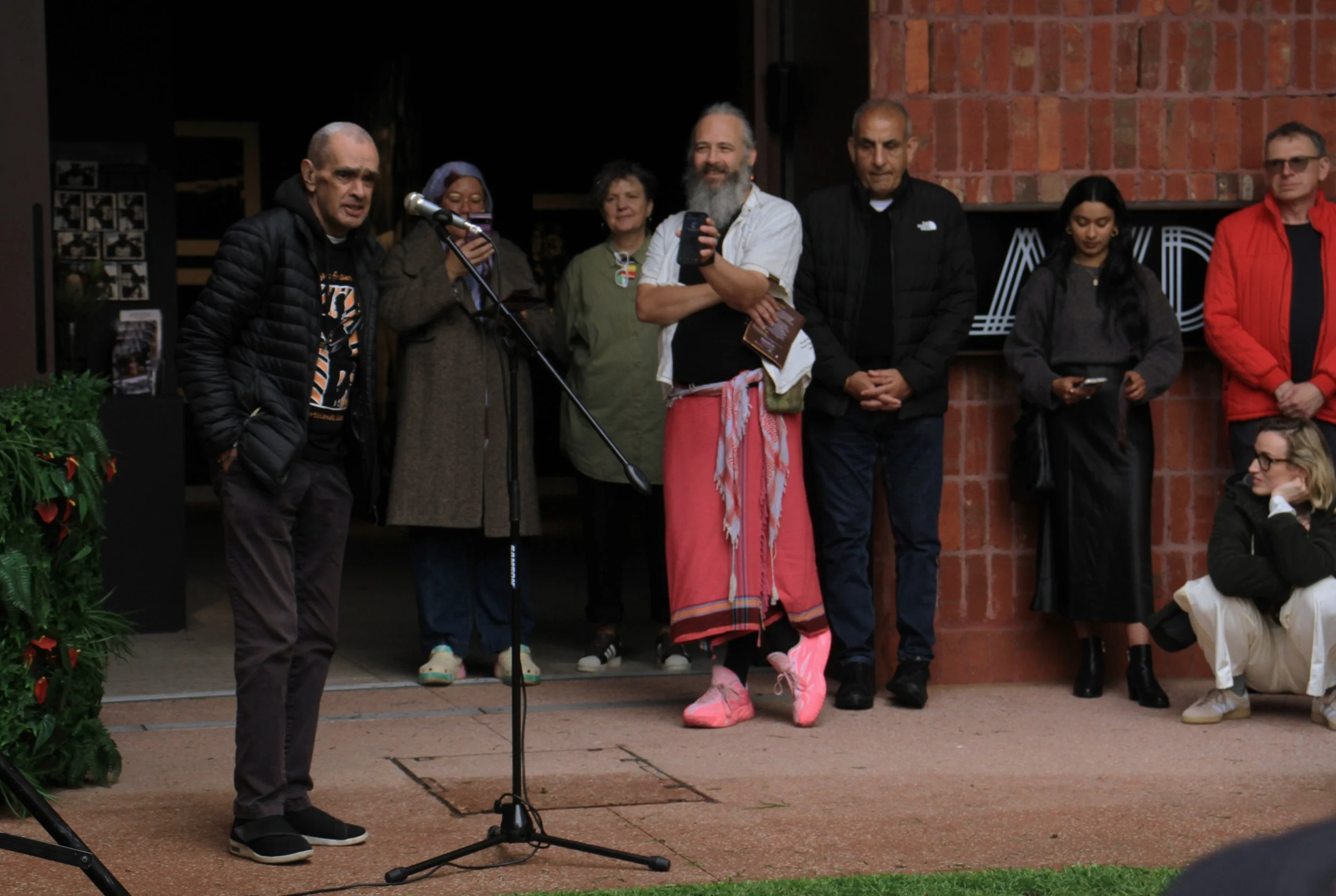
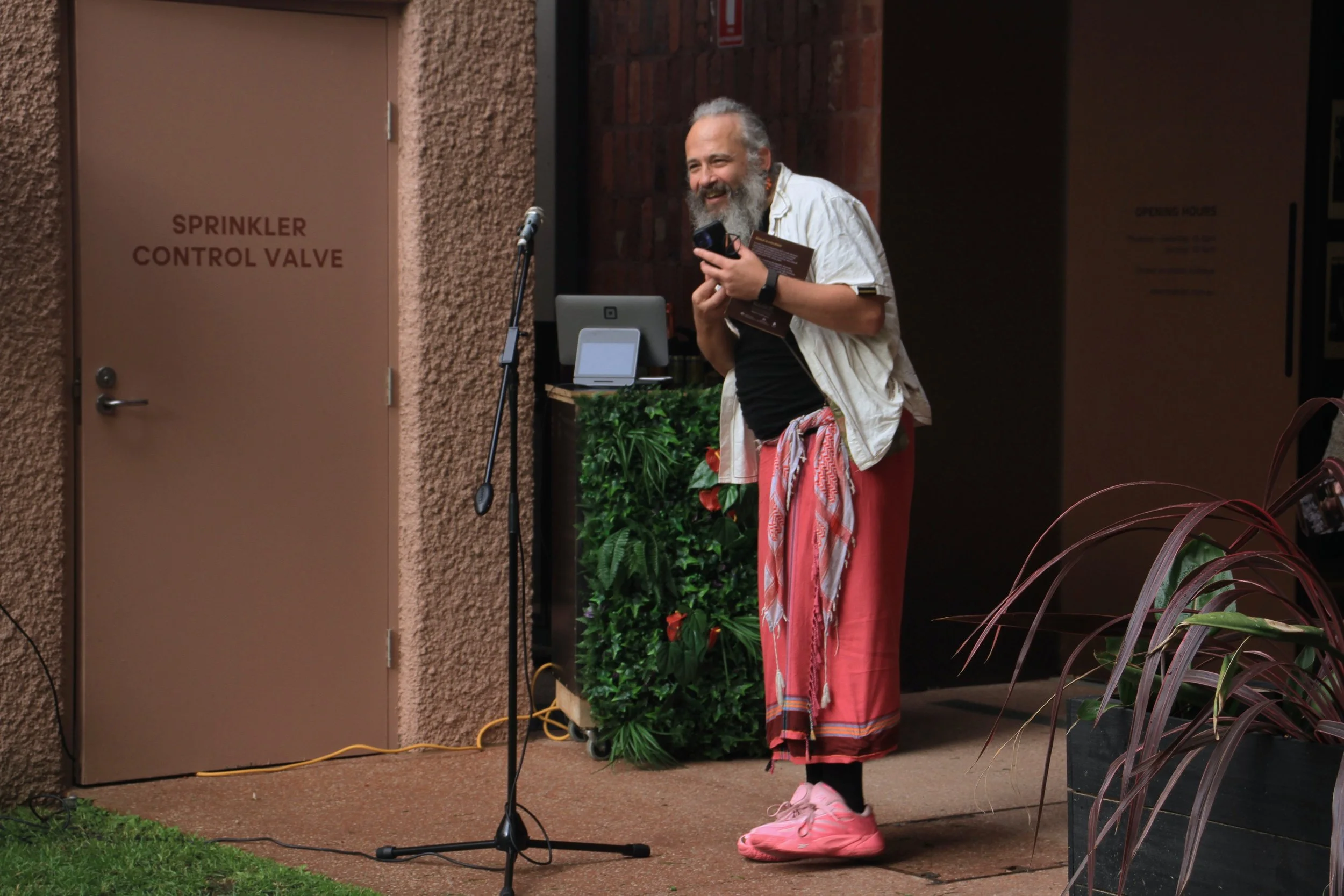
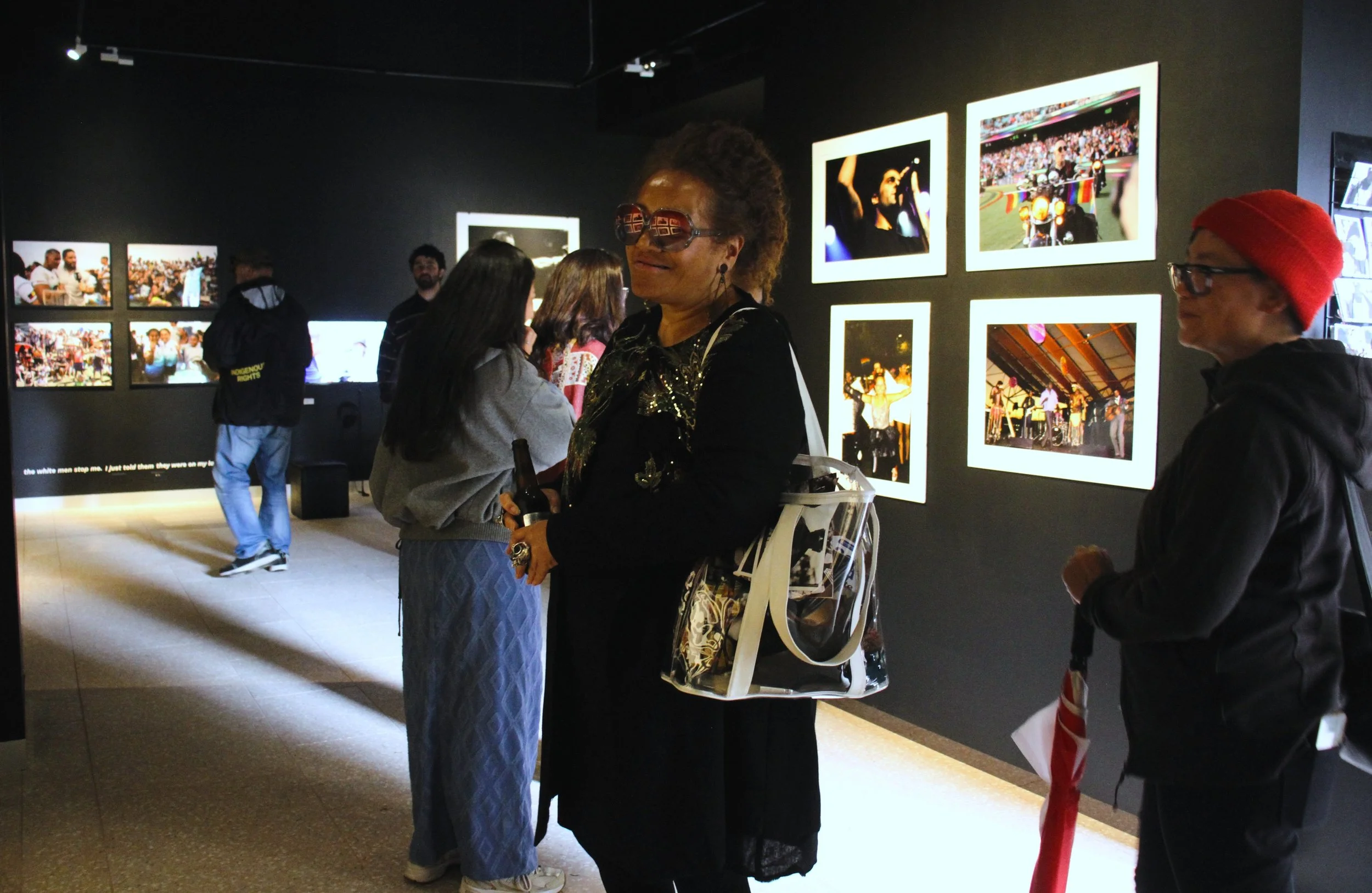
Photo Credit: Sumitra Vignaendra
EXHIBITION DATES: SATURDAY 9 - SUNDAY 31 MAY
///\\\///\\\///\\\
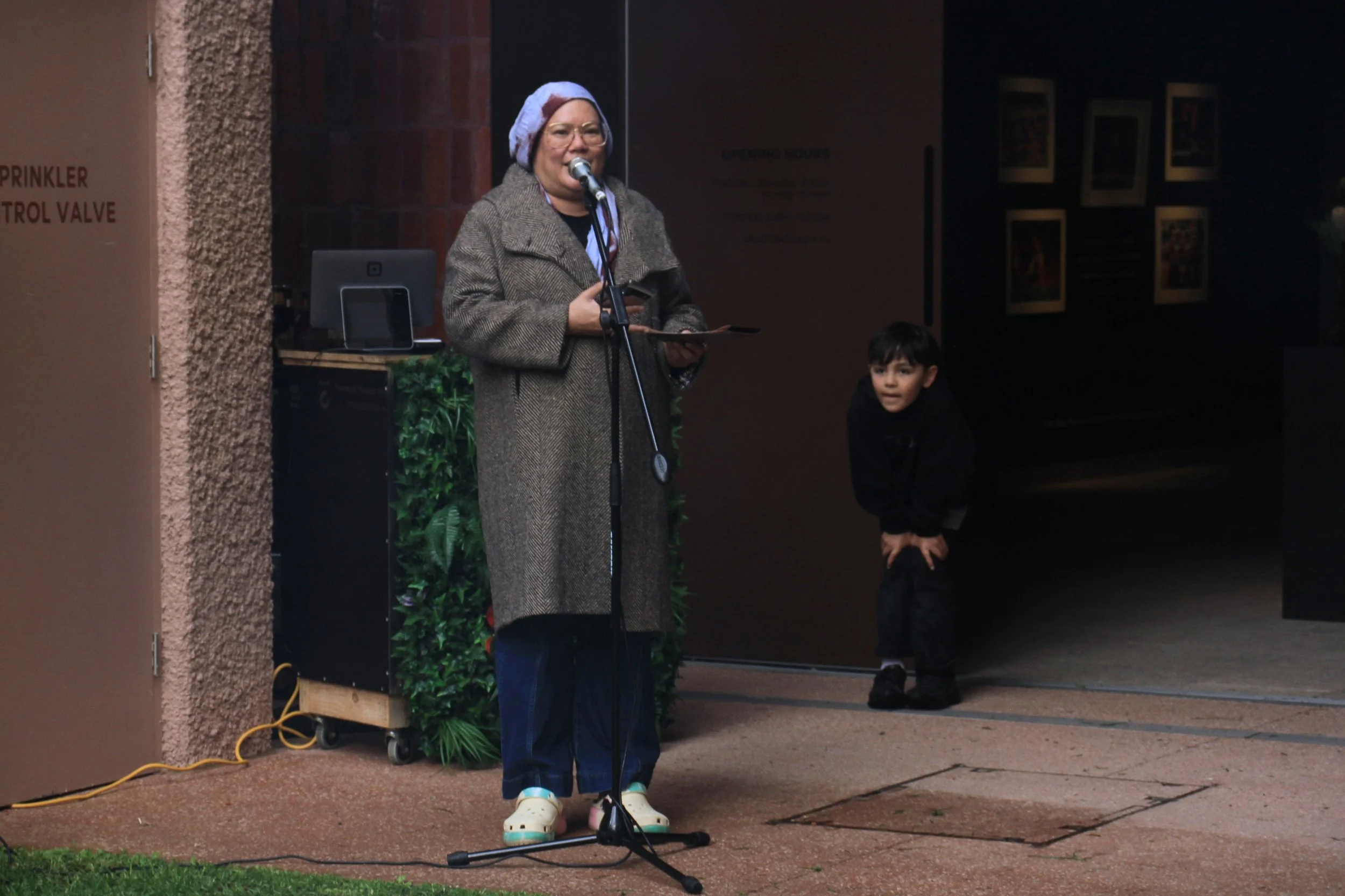
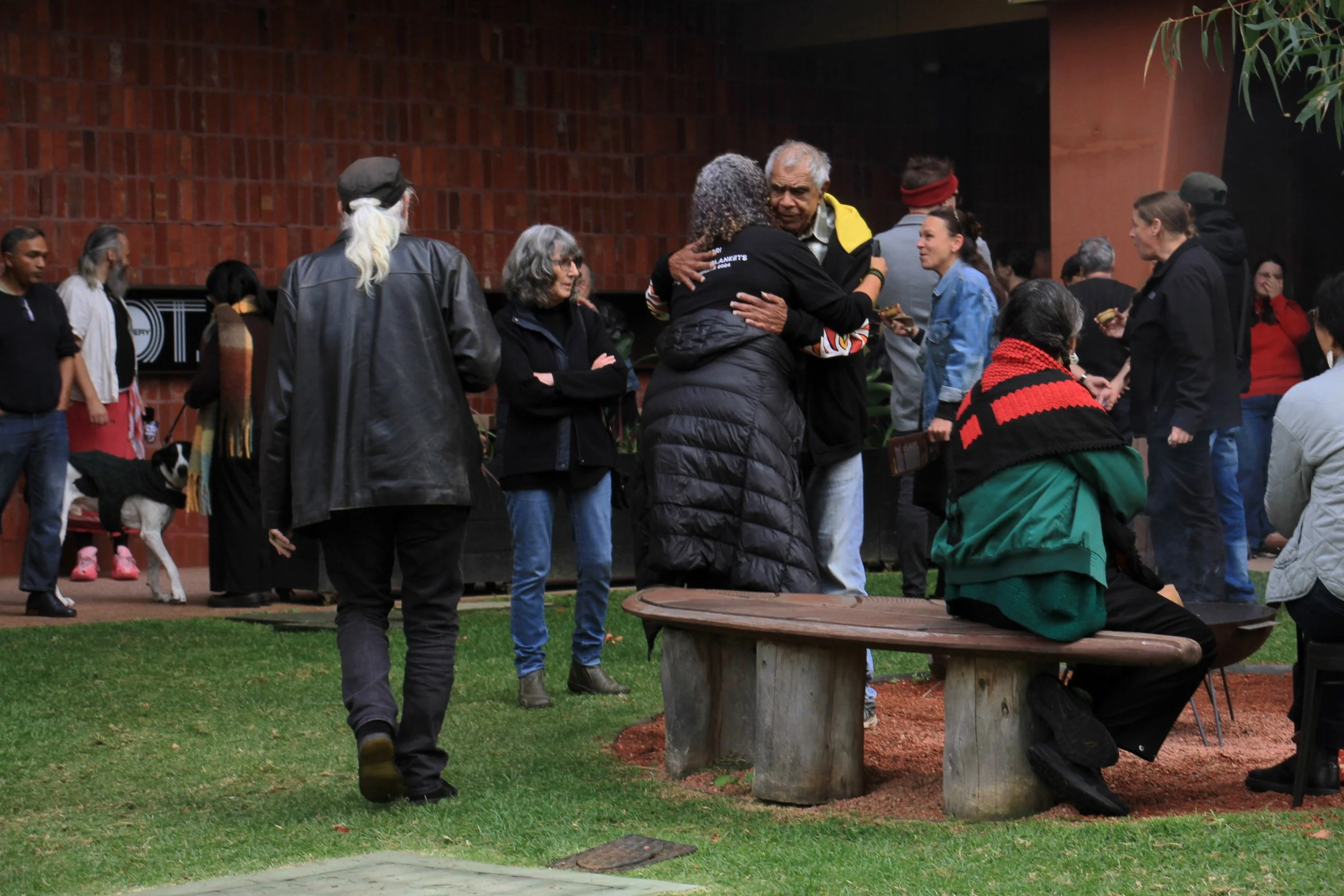
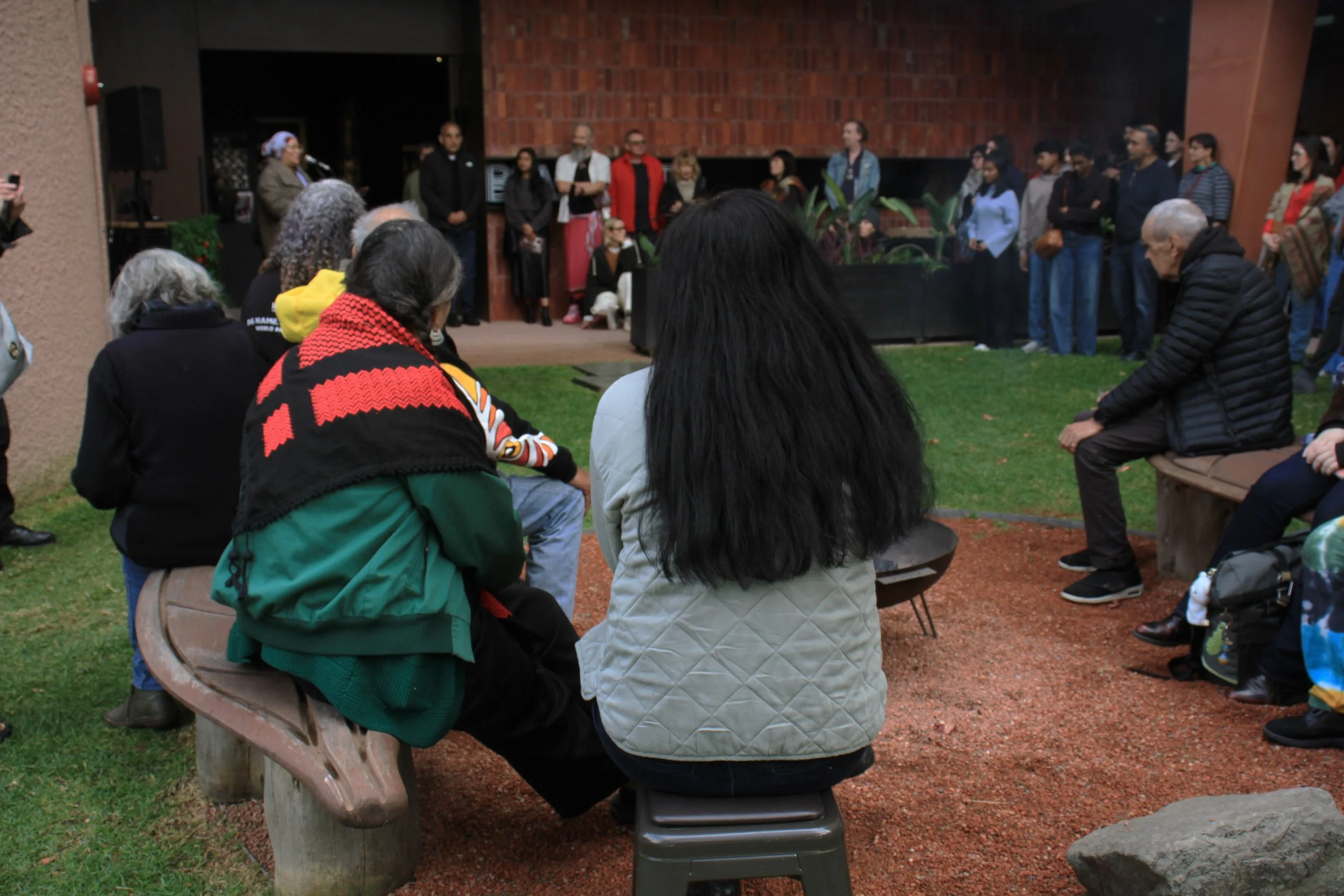
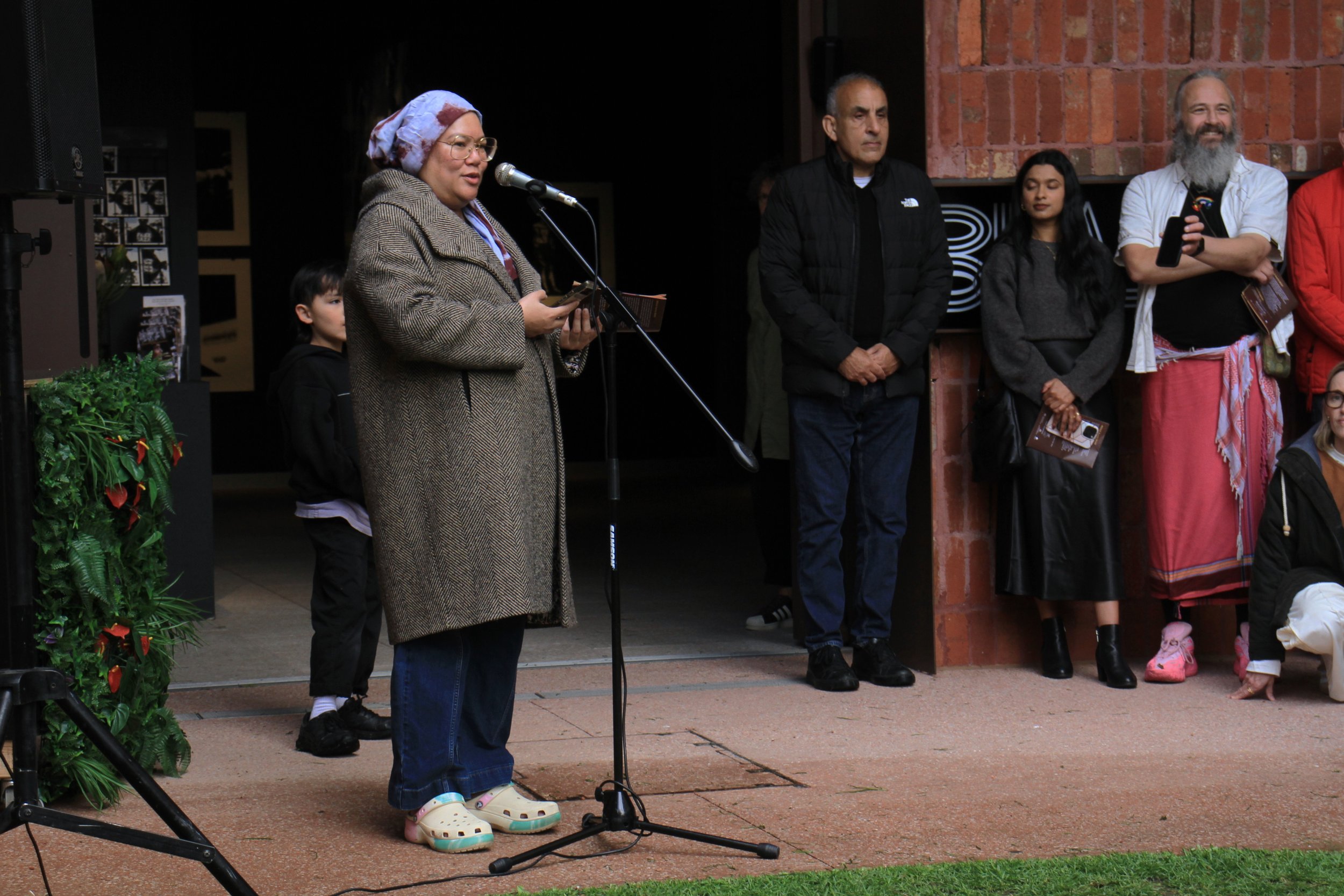
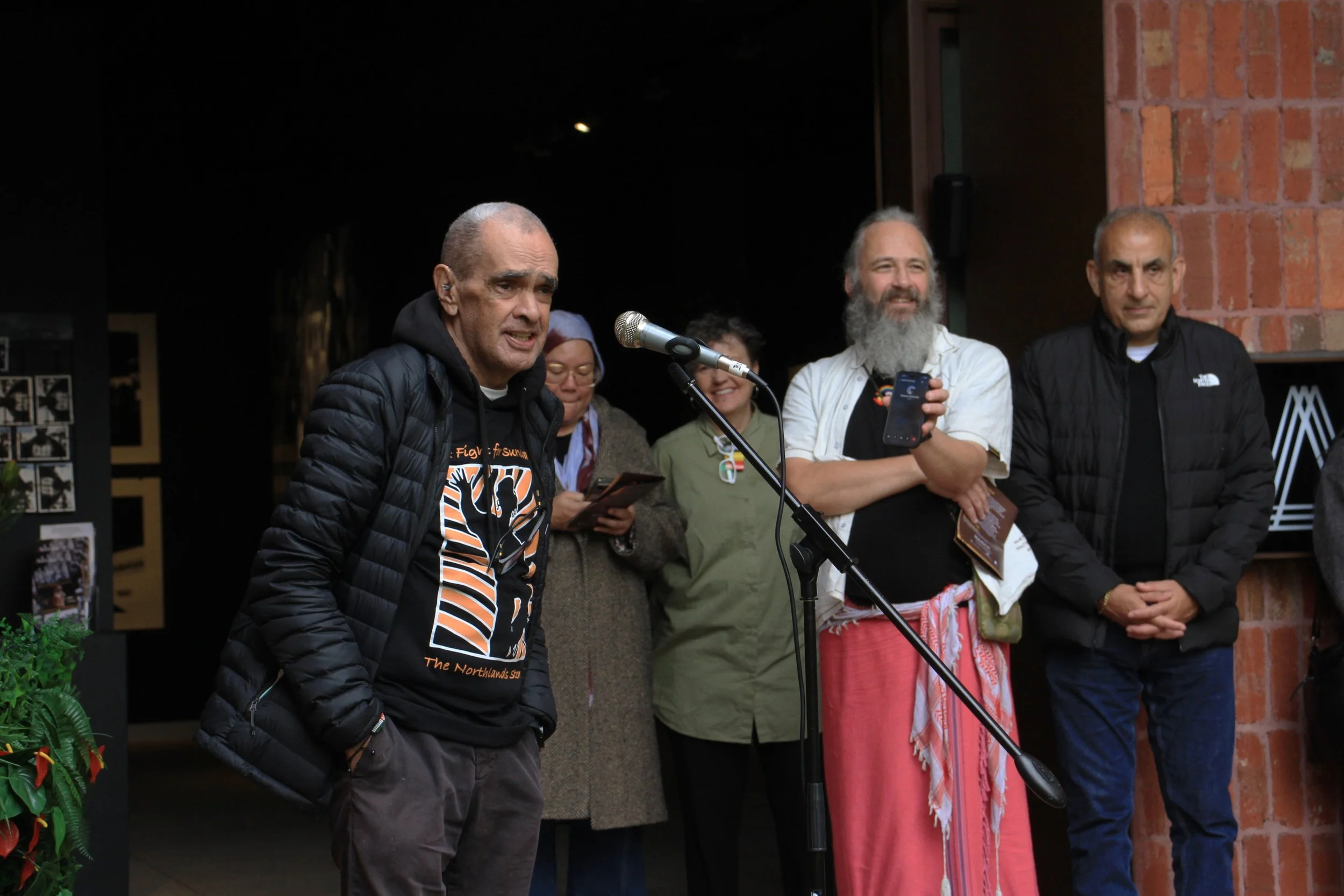
opened by: Professor Gary Foley
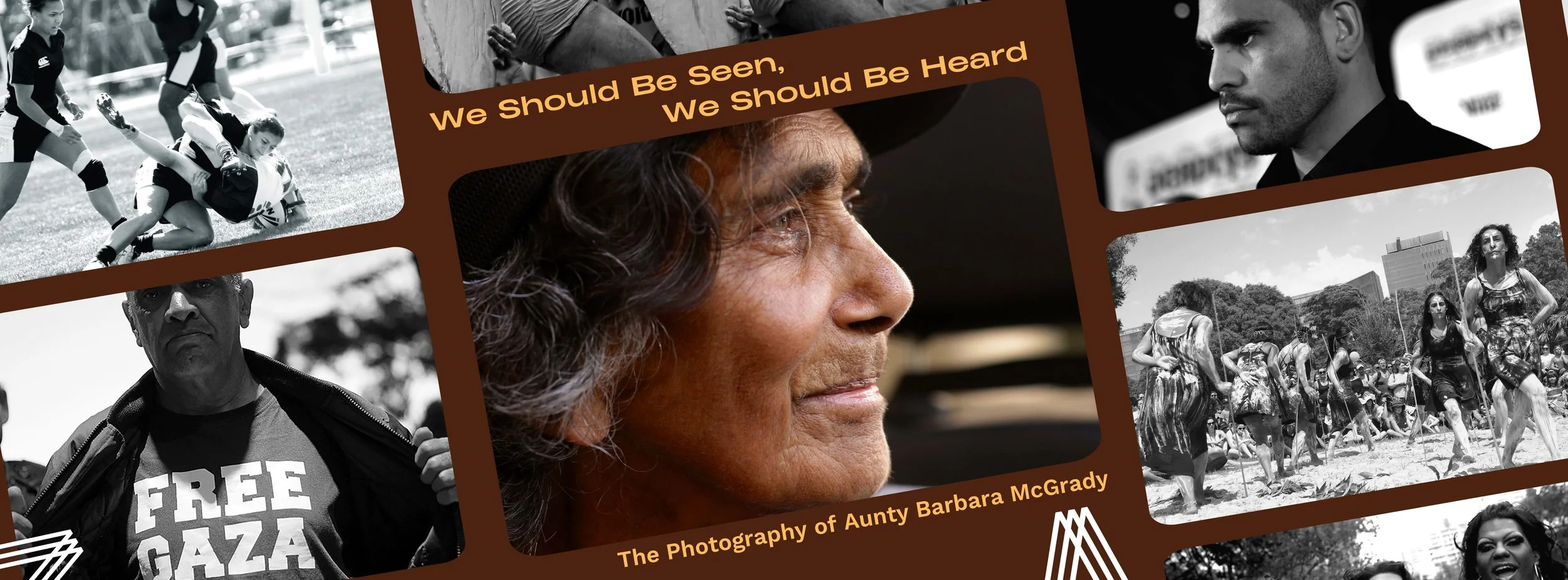
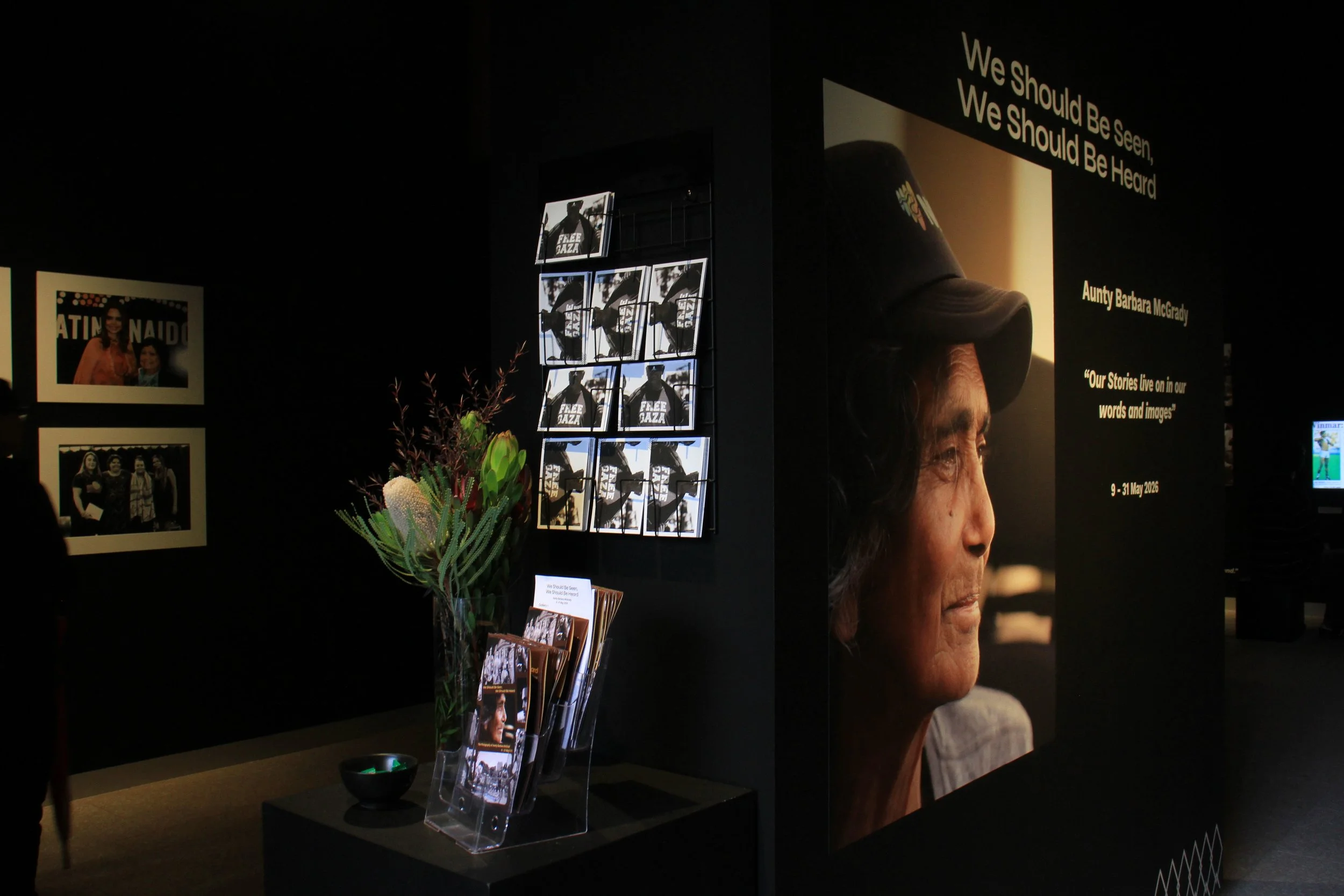
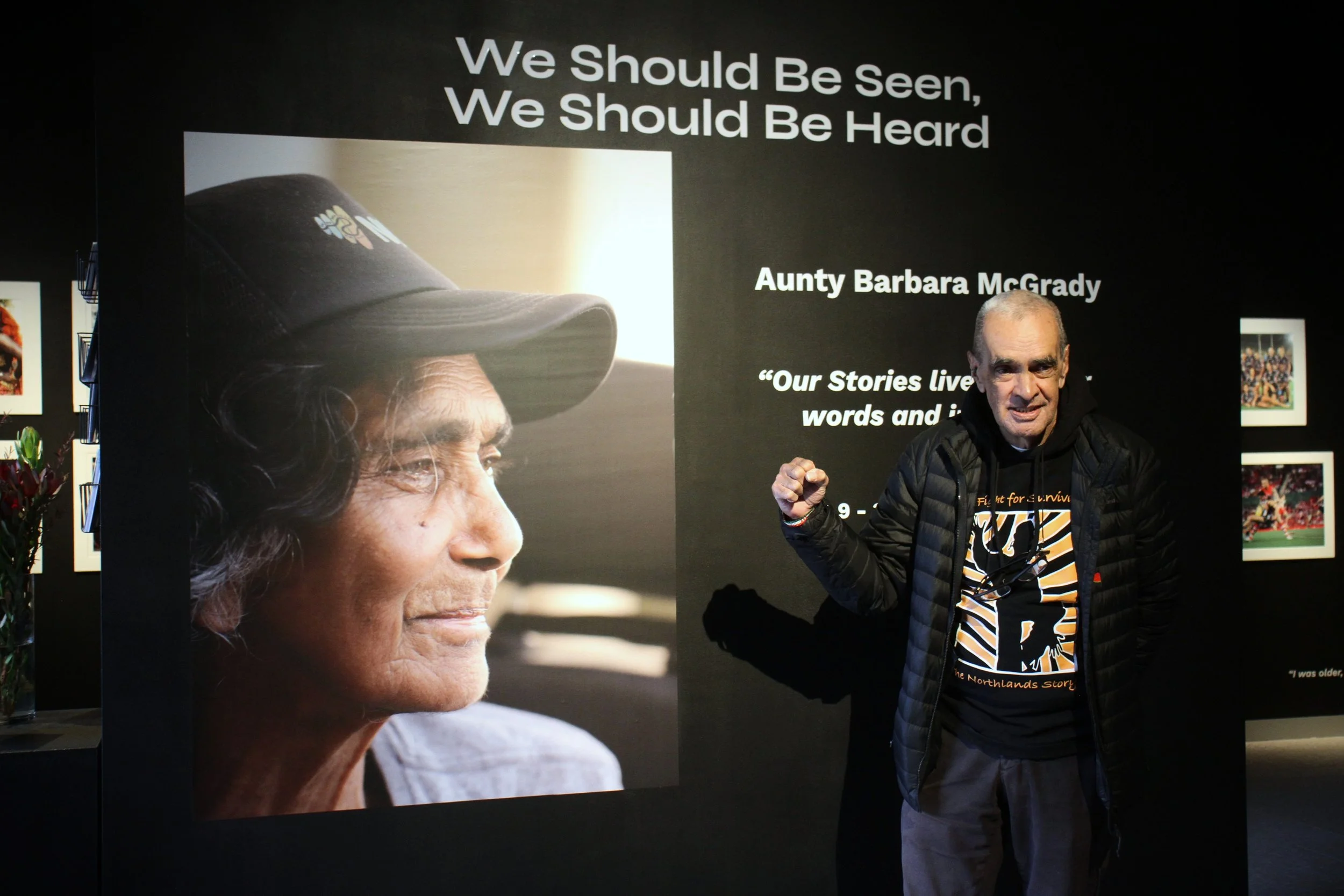
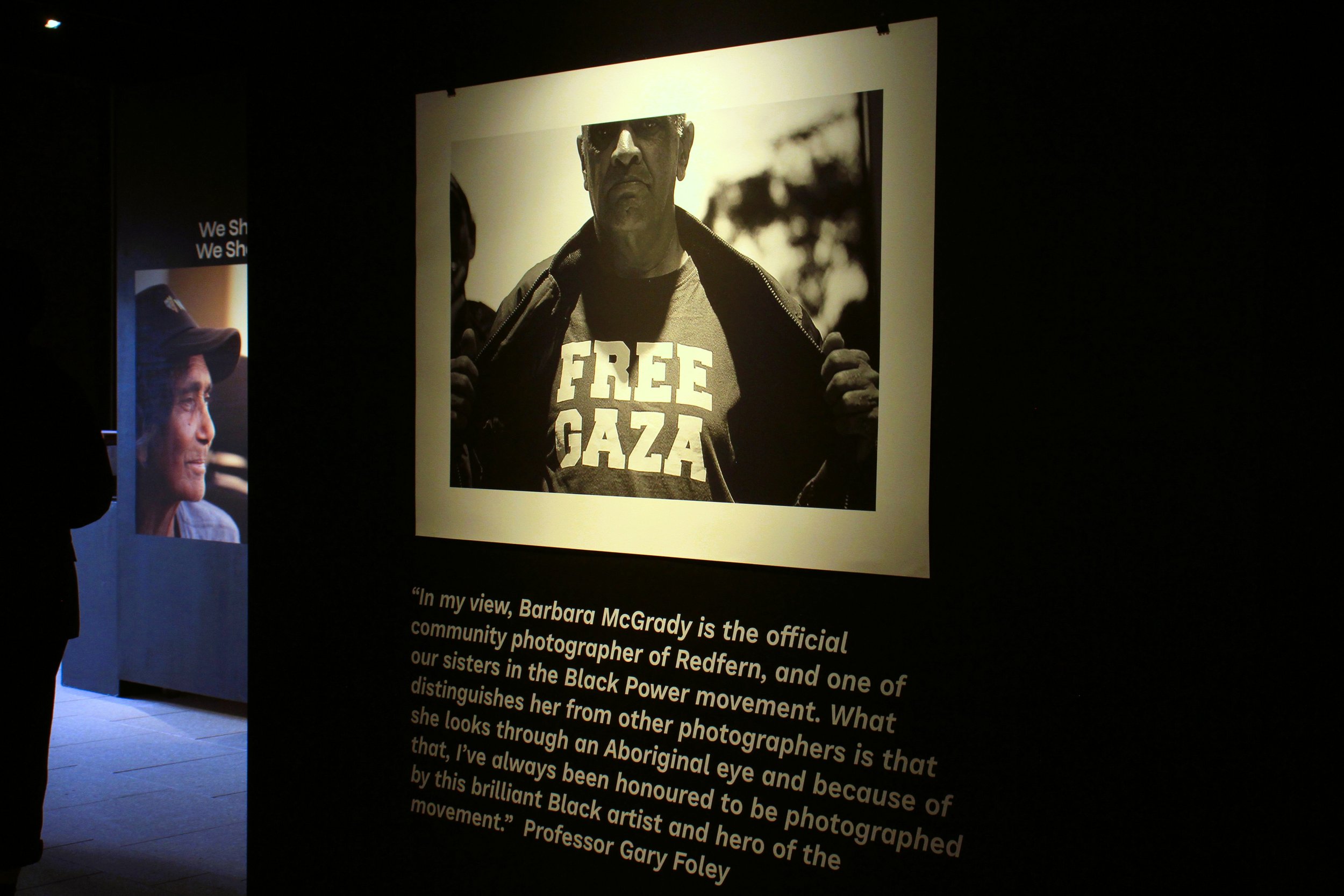
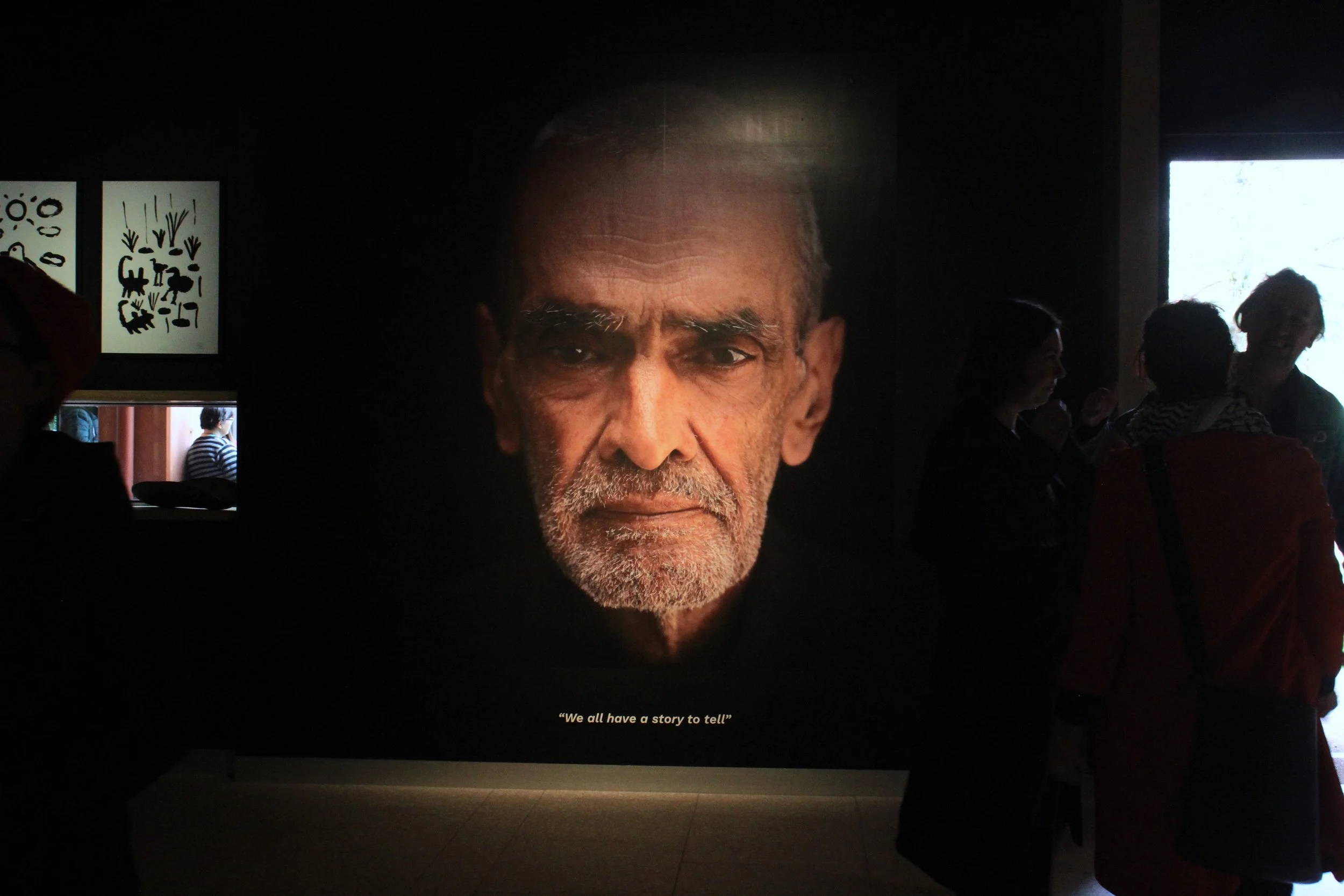
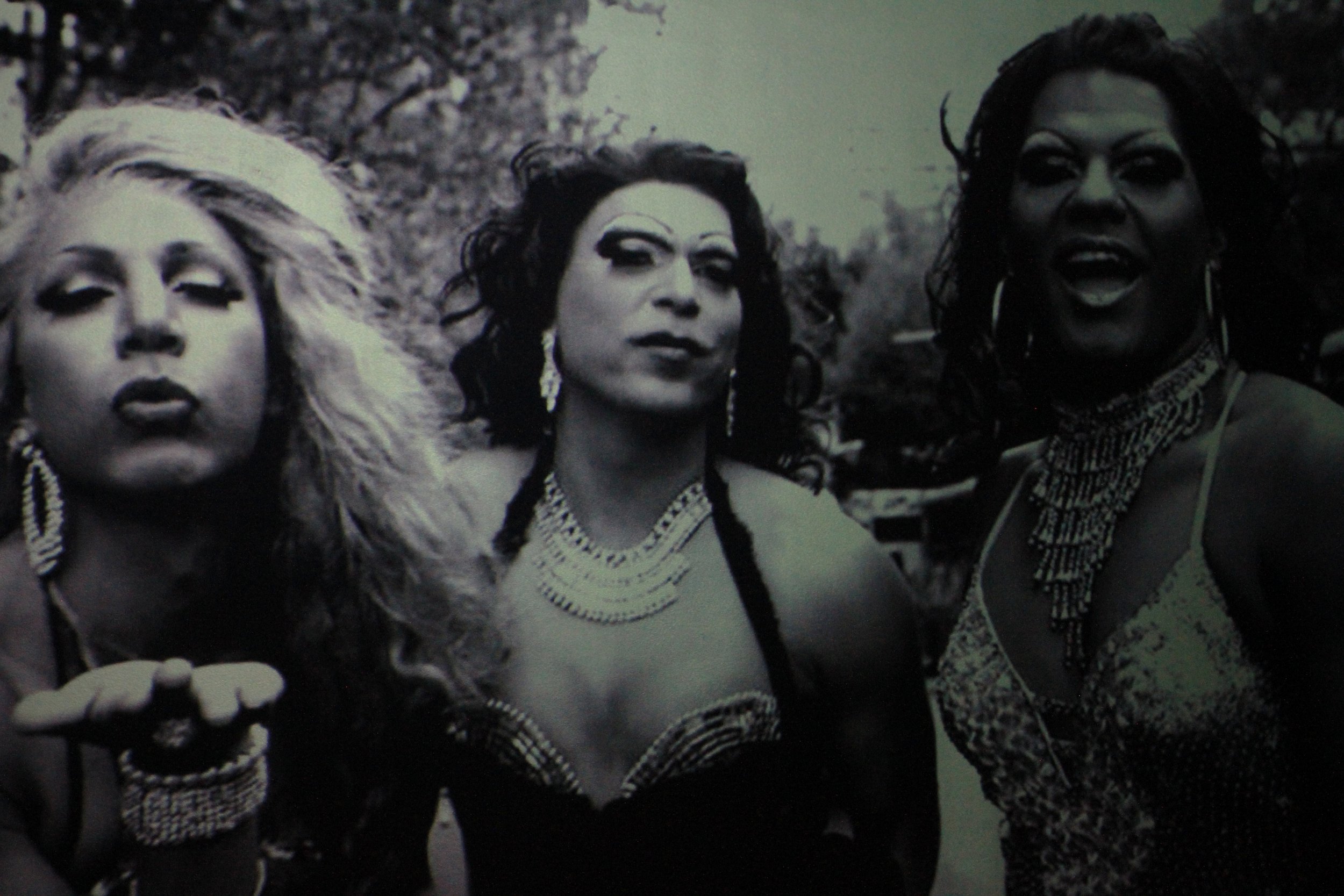
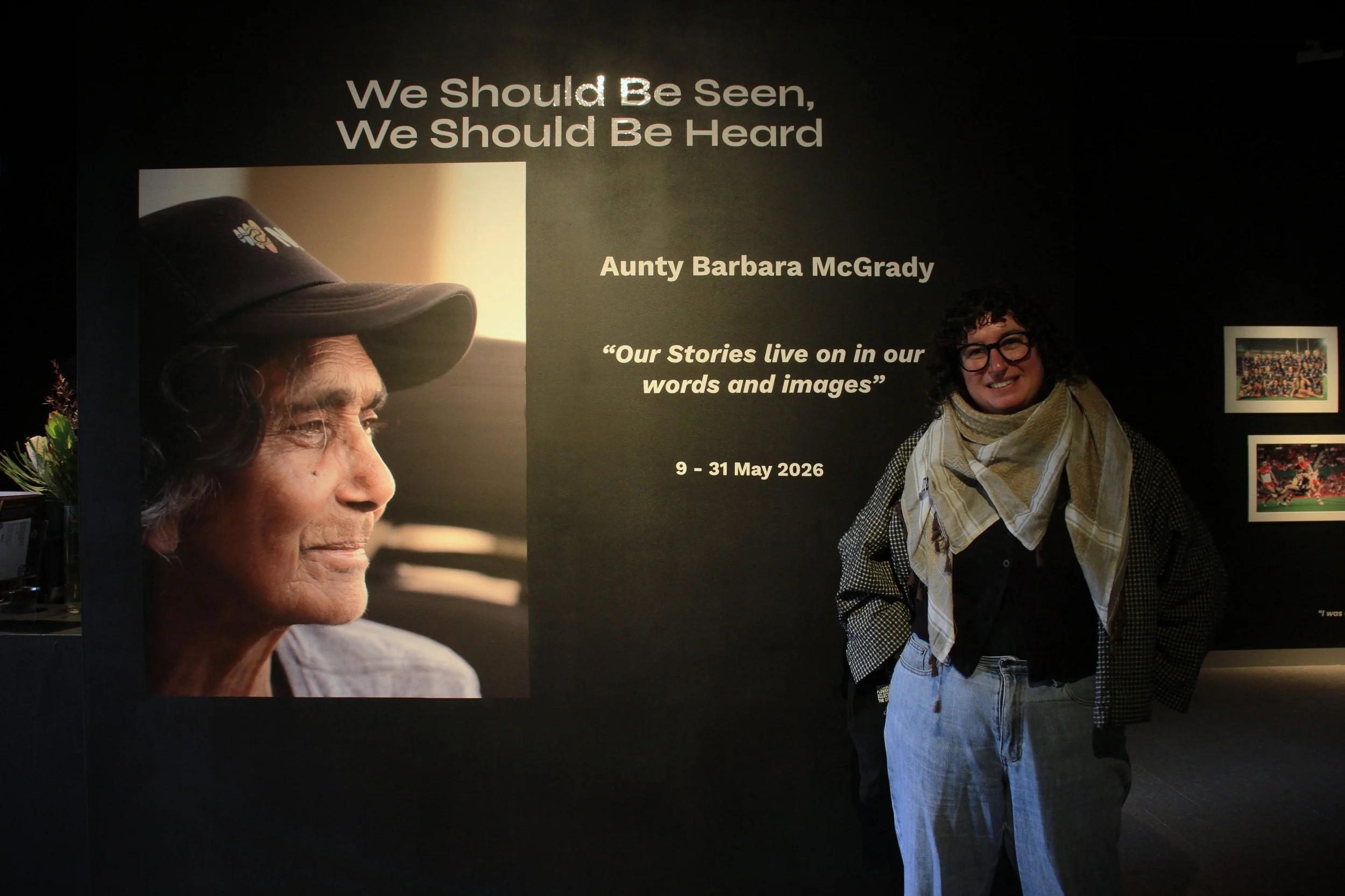
We Should Be Seen, We Should Be Heard pays homage to the extraordinary life and work of leading Gomeroi/Gamilaraay Murri First Nations photojournalist and photographer, Aunty Barbara McGrady (Aunty Barb).
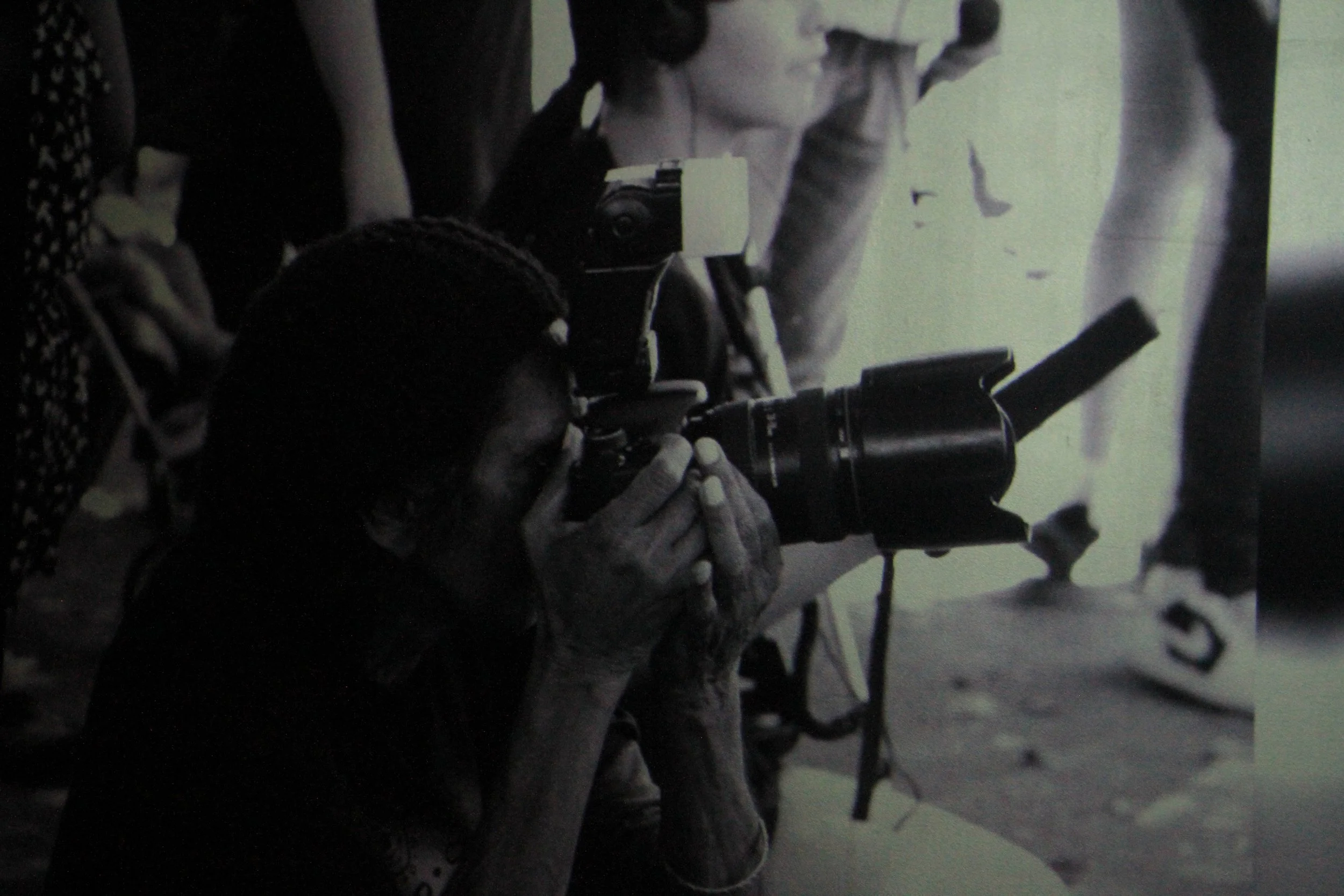
From the moment she was given a camera by her mother in the 1960s, Aunty Barb began documenting the lives of the First Nations communities around her. She soon brought a Blak lens to the pivotal social, political, cultural, and ceremonial events unfolding across her world.
We Should Be Seen, We Should Be Heard traces the story of Aunty Barb’s practice, following her gaze from those early beginnings through to her ongoing work today. For close to 60 years, she has created a vital visual record of First Nations community, identity, pride, resistance, celebration, activism, ceremony, and sport.
In the face of damaging and dehumanising mainstream Australian portrayals of Aboriginal and Torres Strait Islander peoples, this exhibition explores how Aunty Barb has developed a relational praxis that meets and honours the lives of individuals and communities. Her work celebrates deep humanity and complexity, holding space for triumph and struggle, joy and grief, as well as enduring strength and resistance.
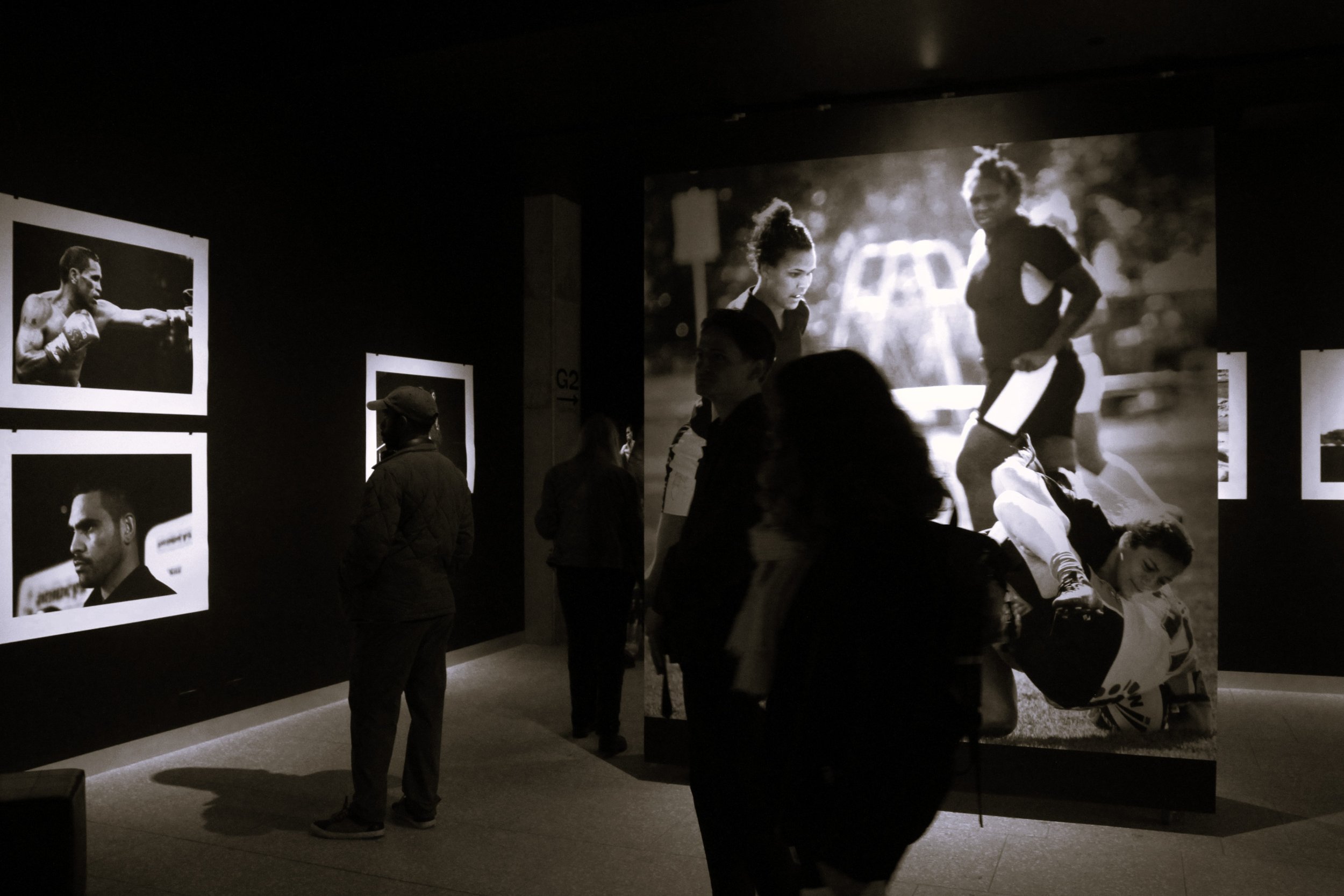
The exhibition centres Aunty Barb’s gaze and voice through image, video, and text. Contextualised by reflections from Gumbaynggirr activist and historian Professor Gary Foley and renowned photojournalist Wayne Ludbey, it also considers Aunty Barb’s lifelong connection to sport. Sport has been central not only to her life, but to her broader purpose of representing First Nations people through a Blak lens—on her own terms, and as they ought to be seen.
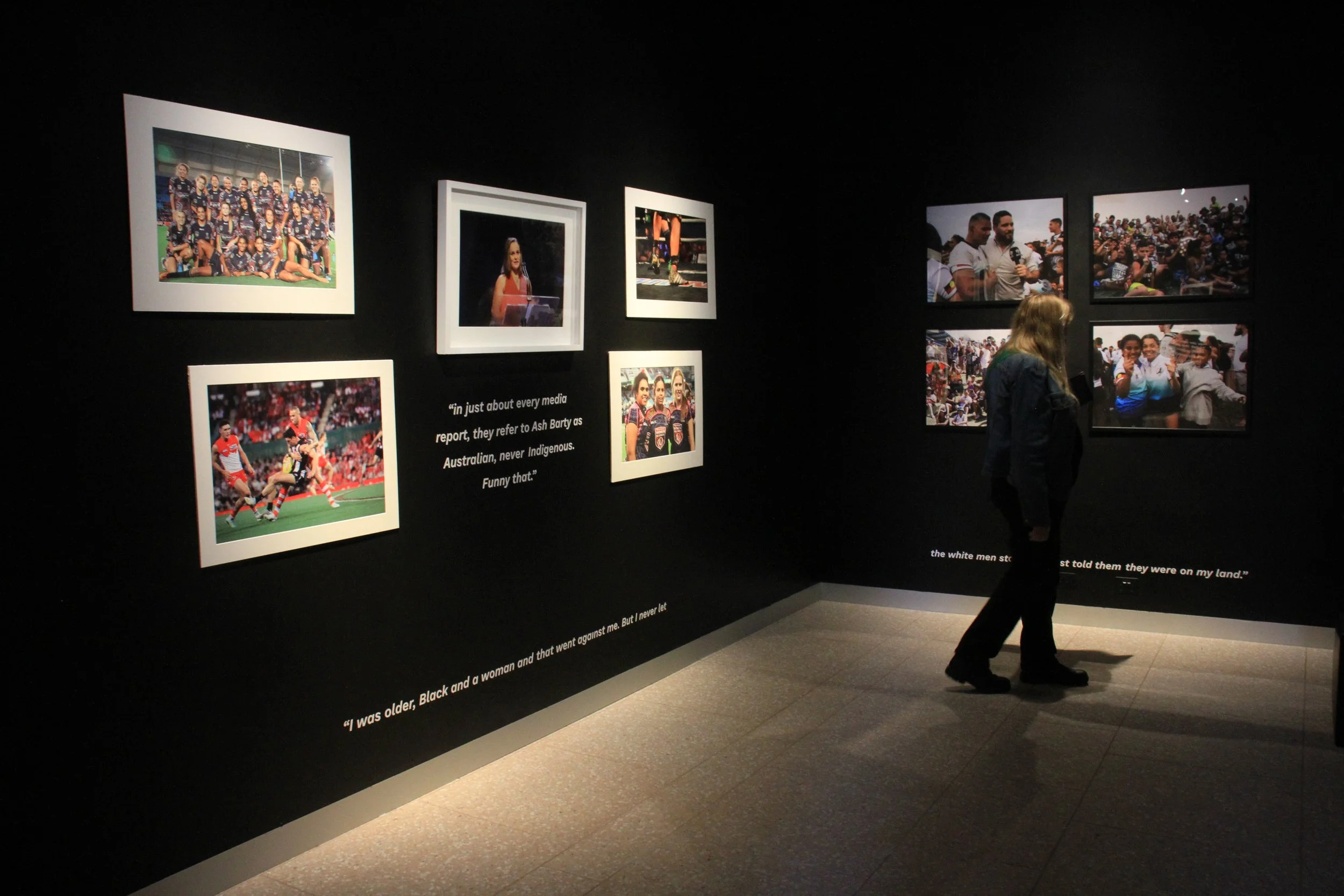
Audiences are invited to reflect on how sports photojournalism shaped her career: a staunch Blak woman working within, and pushing against, a field dominated by white men to capture defining images of a nation’s most celebrated games. Crucially, unlike many of her contemporaries, Aunty Barb has consistently used her lens to foreground the sporting moments that matter most to mob.
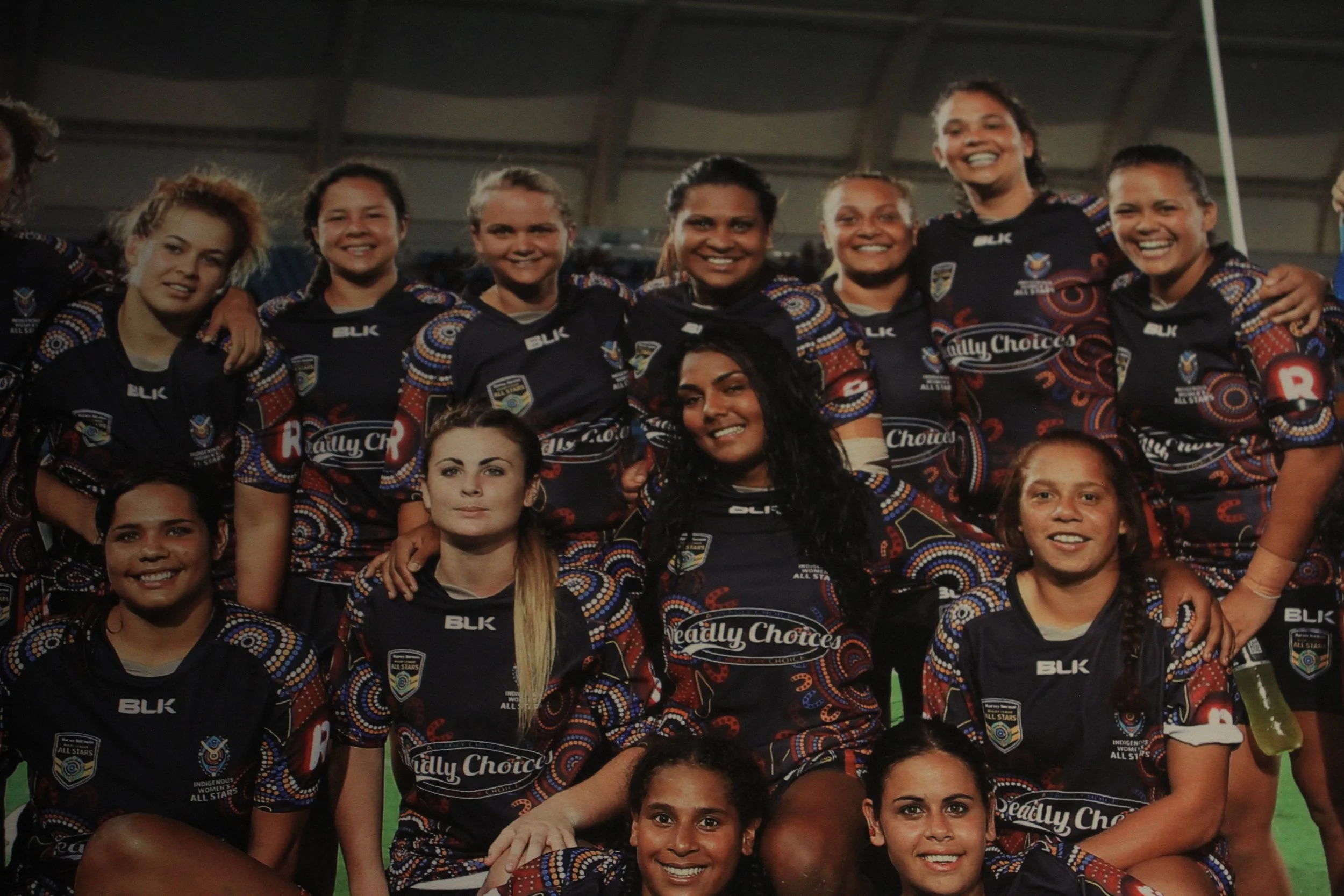
Through her documentation of community sporting events such as the Koori Knockout, and her images of staunch Blak women rising to national prominence in athletics, Aunty Barb has continually challenged dominant representations of First Nations people—even within elite sport. At the same time, We Should Be Seen, We Should Be Heard highlights the ethos underpinning her Blak gaze, affirming that sport exists alongside, and not above, other vital aspects of First Nations life.
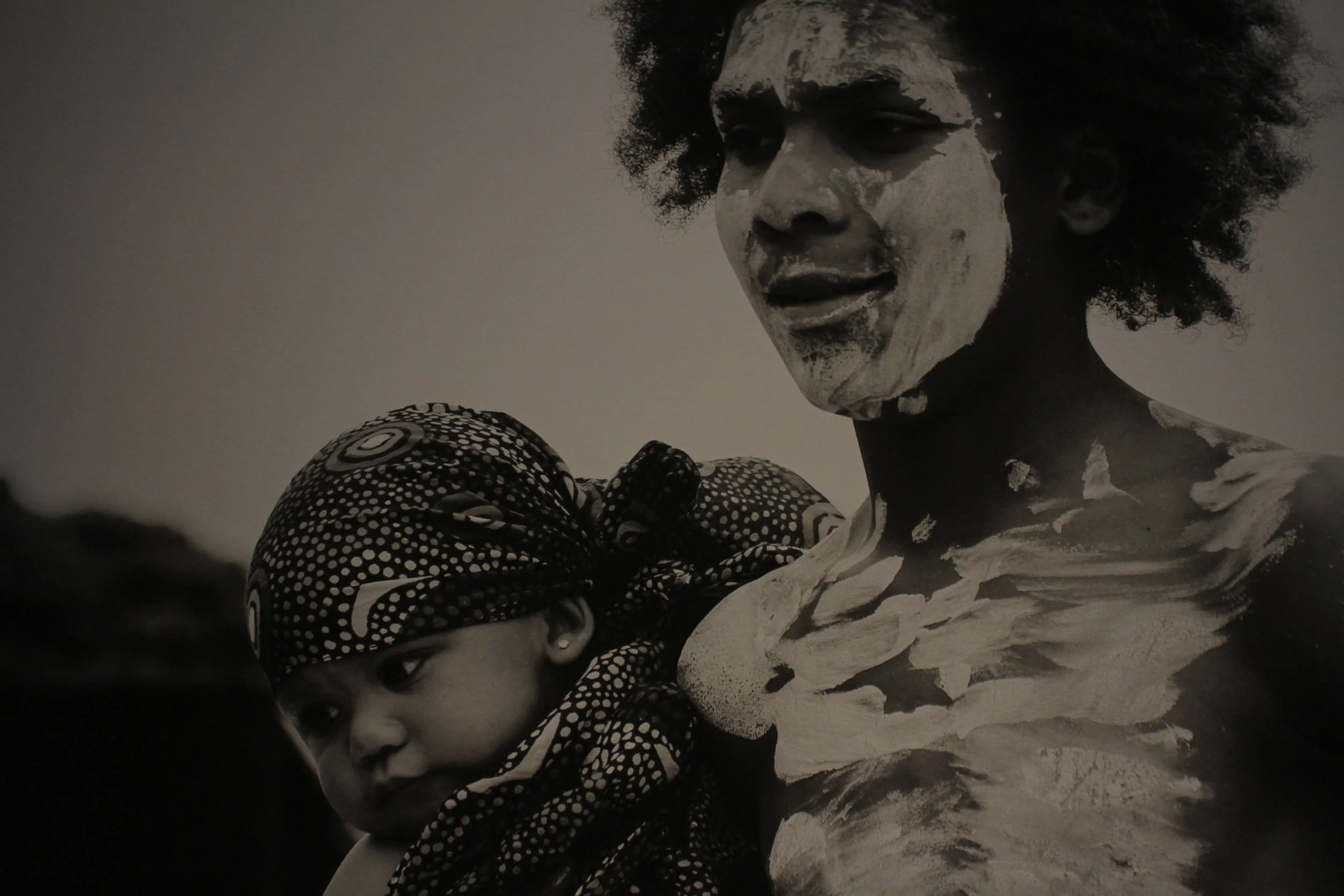
Across her practice, Aunty Barb has honoured the deep knowledge of Country held by First Nations dancers, chronicled protest movements, celebrated the joy and pride of Mardi Gras, and borne witness to the centrality of ceremony in the lives of mob. The result is a visual archive of immeasurable cultural and historical significance.
Curatorial team: Dr. Eugenia Flynn, Prof. Matthew Klugman, Barbara McGrady
About Aunty Barb
A proud Gomeroi/Gamilaraay Murri yinah (woman), Aunty Barbara McGrady (Aunty Barb) is a leading First Nations photojournalist who has formally documented important social, political, and cultural events over more than thirty years.
Aunty Barb’s compelling photographs showcase the pivotal moments of First Nations mob on this continent and surrounding islands through ceremony, sport, dance, festivals, protests, celebrations, and mourning. Her work responds to the negative ‘deficit’ stereotypes of mainstream Australian media by foregrounding the deep complexity, humanity, wisdom, beauty, strength, pride, and staunchness of community life. It forms a vital visual record of First Nations identity and contemporary representations of Aboriginal and Torres Strait Islander Peoples.
PUBLIC PROGRAM
On Aunty Barb’s Way of Seeing: A panel talk with Prof. Gary Foley, Dr. Eugenia Flynn and Wayne Ludbey
Saturday 23 May, 2pm
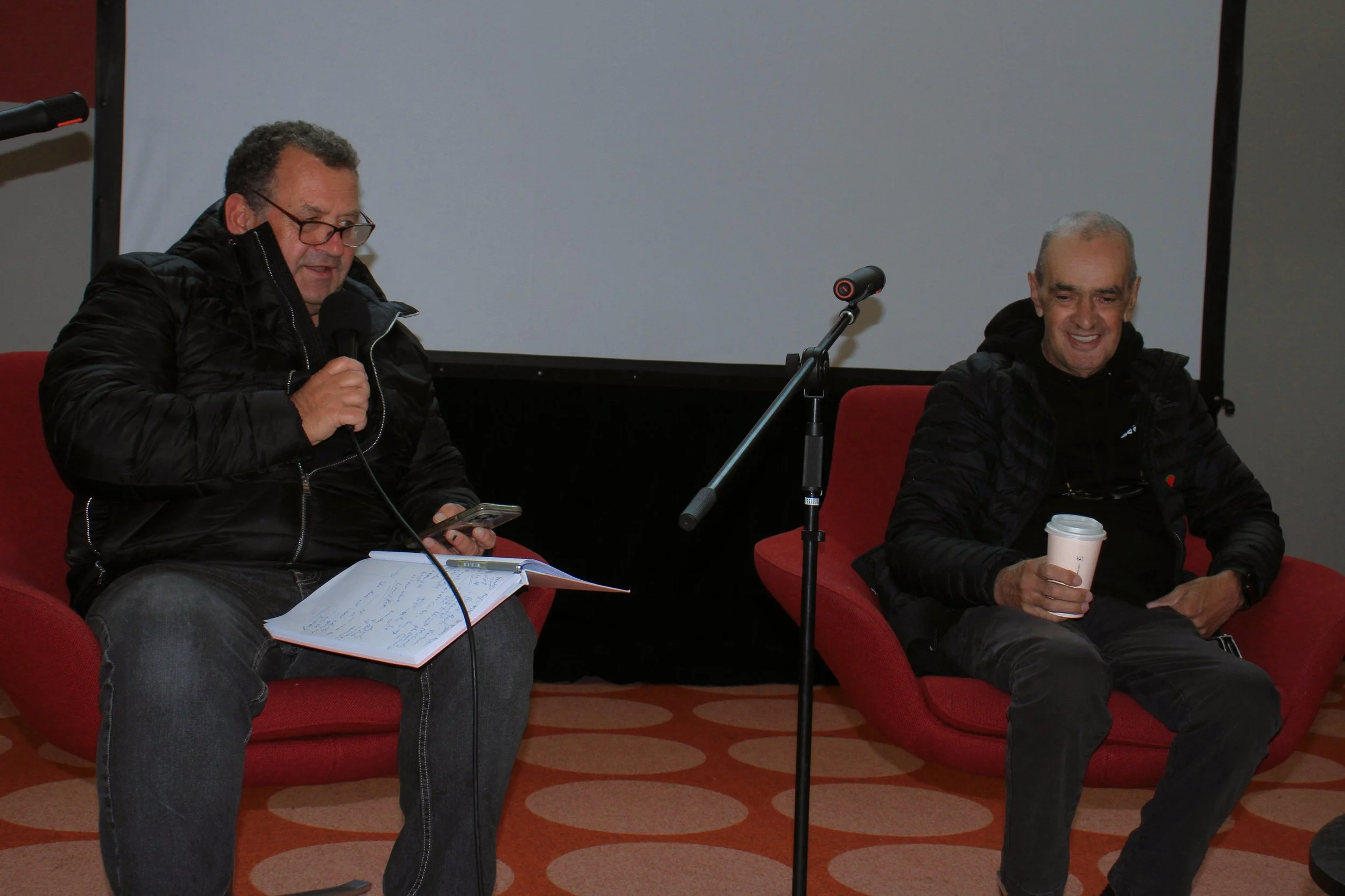
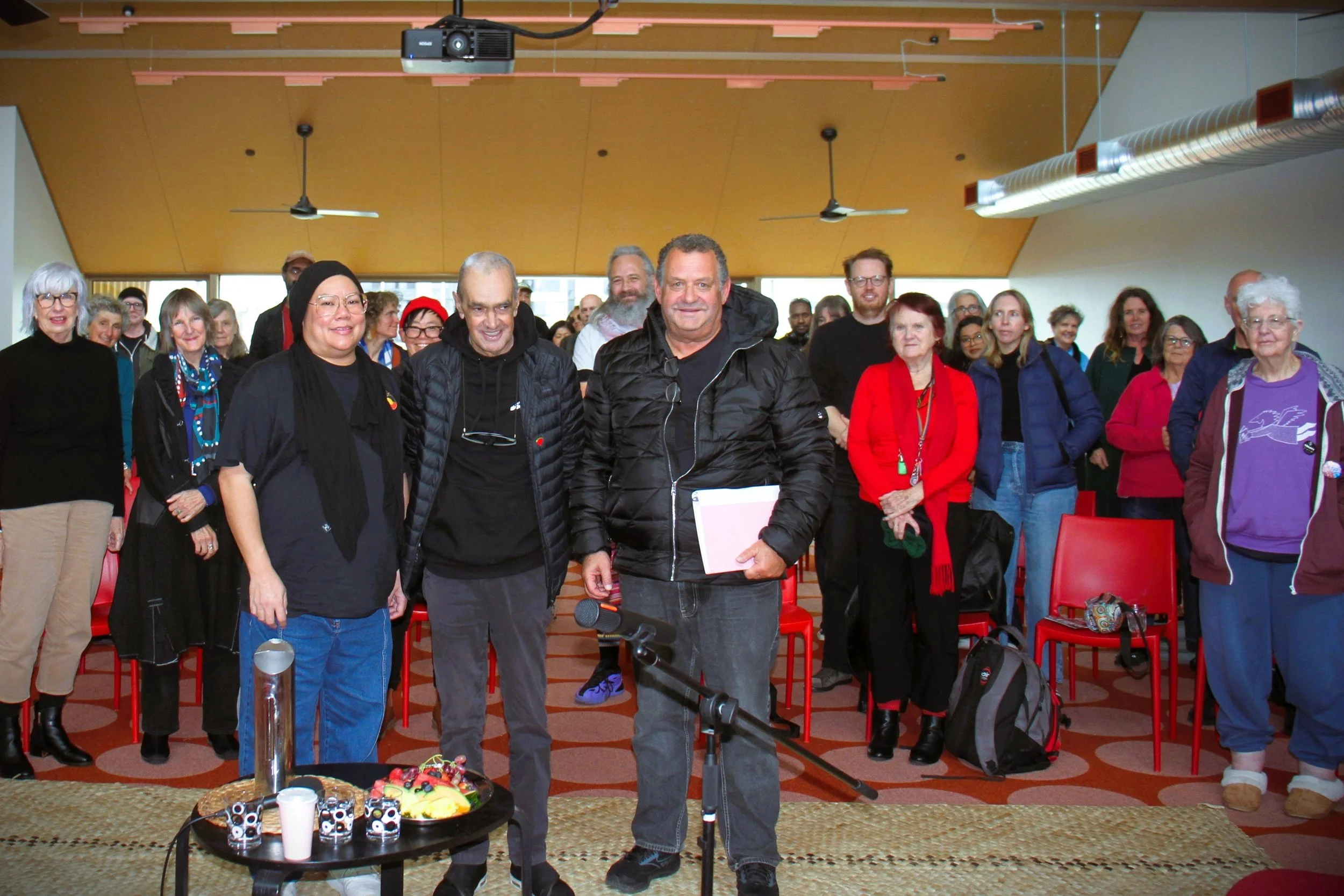
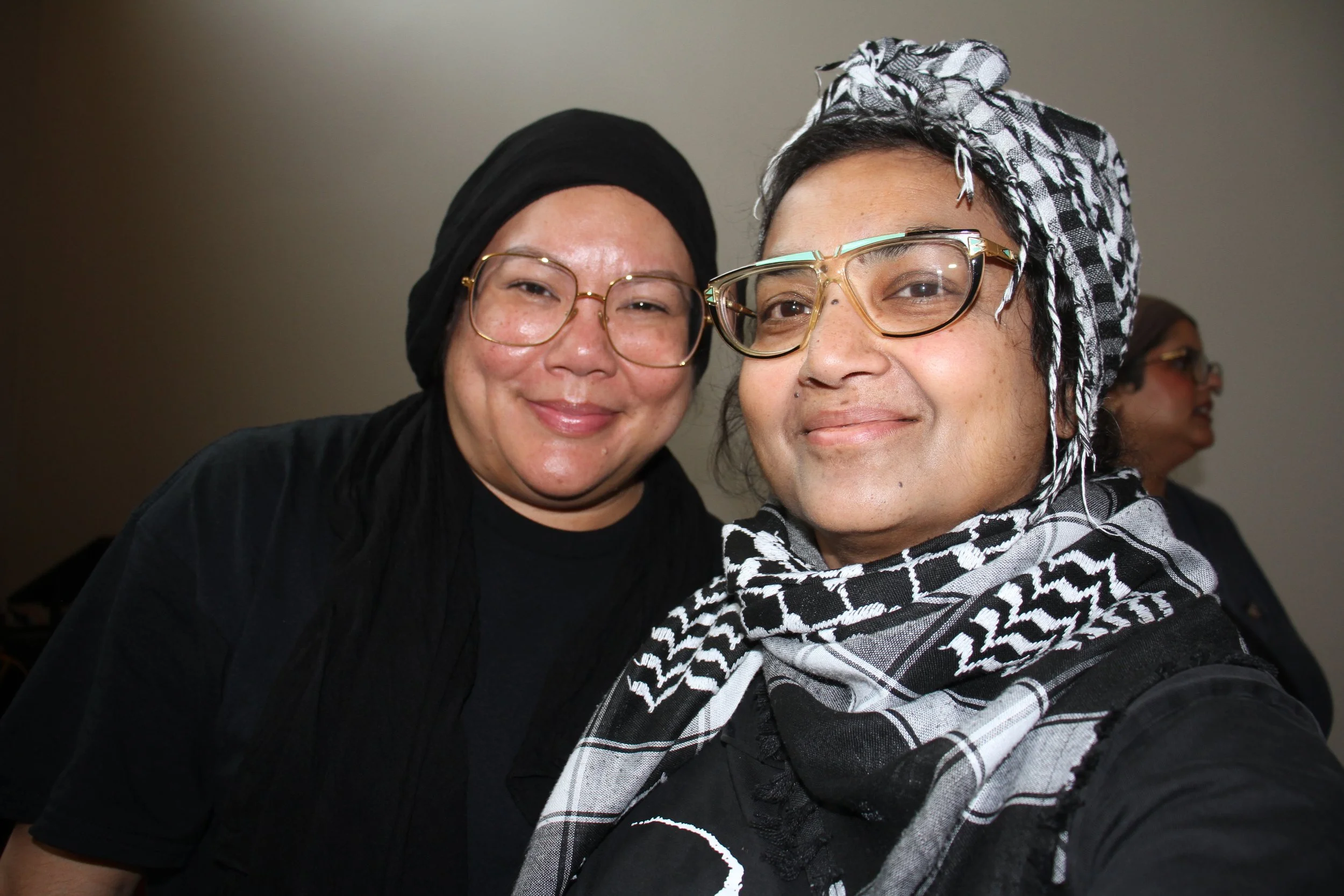
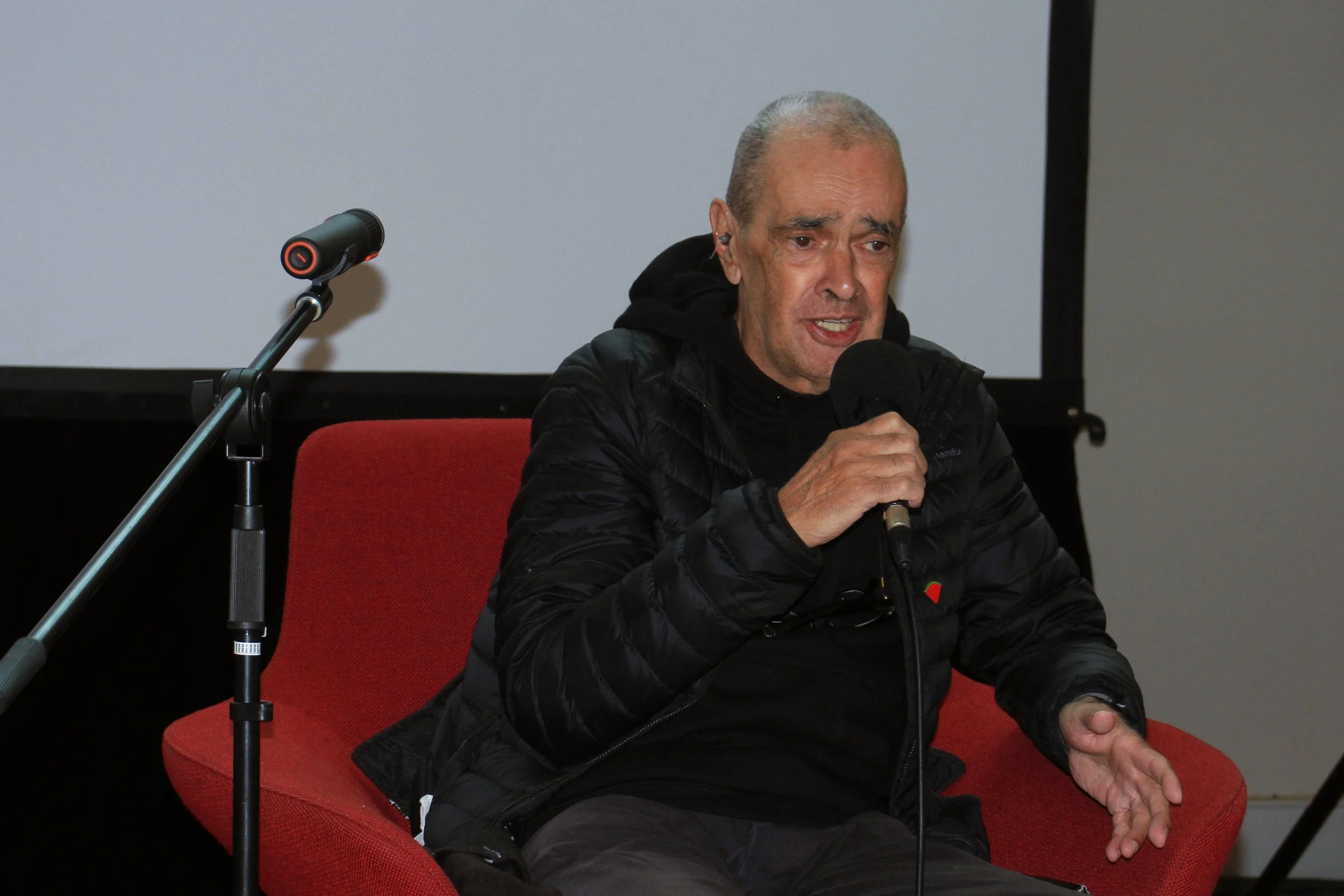
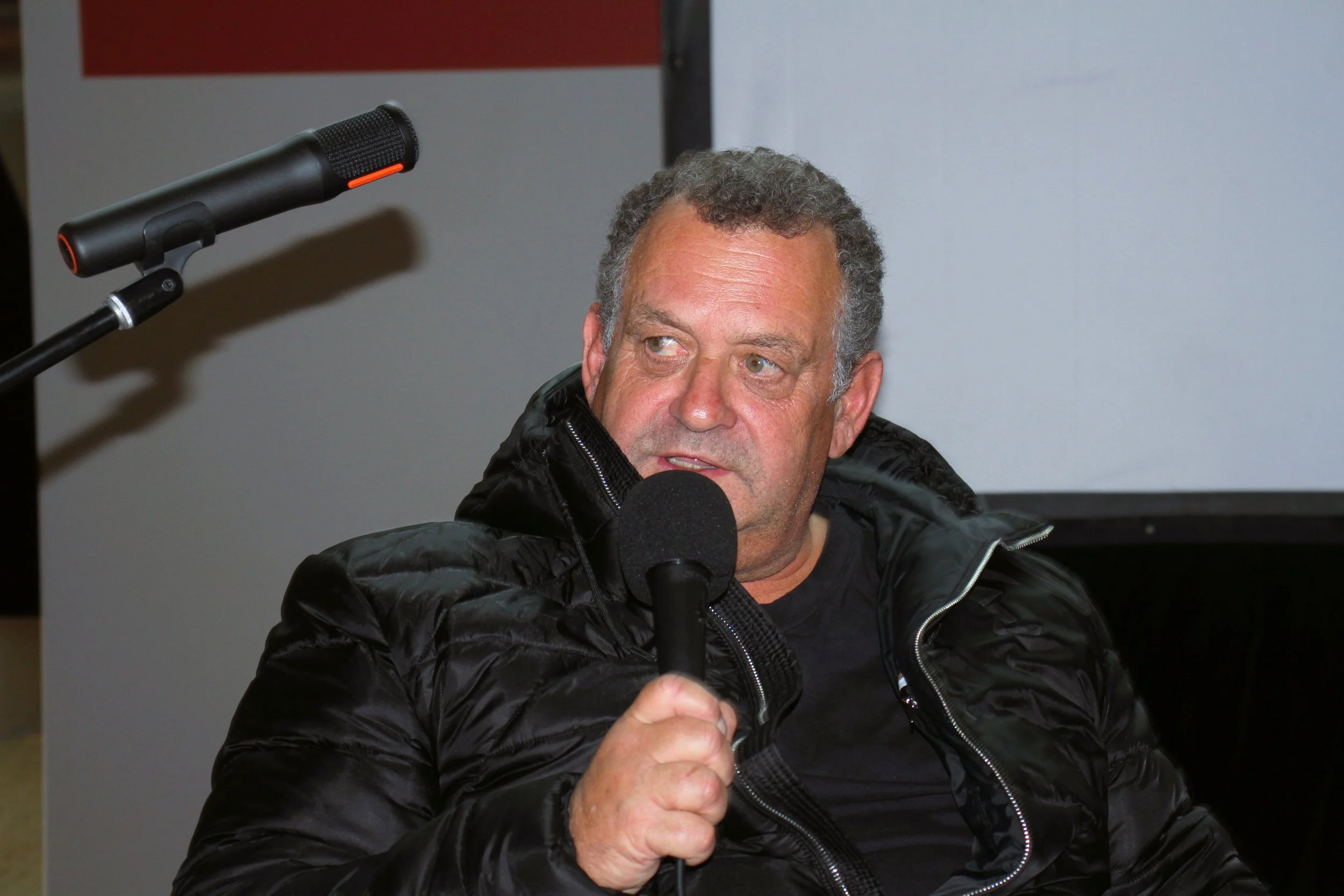
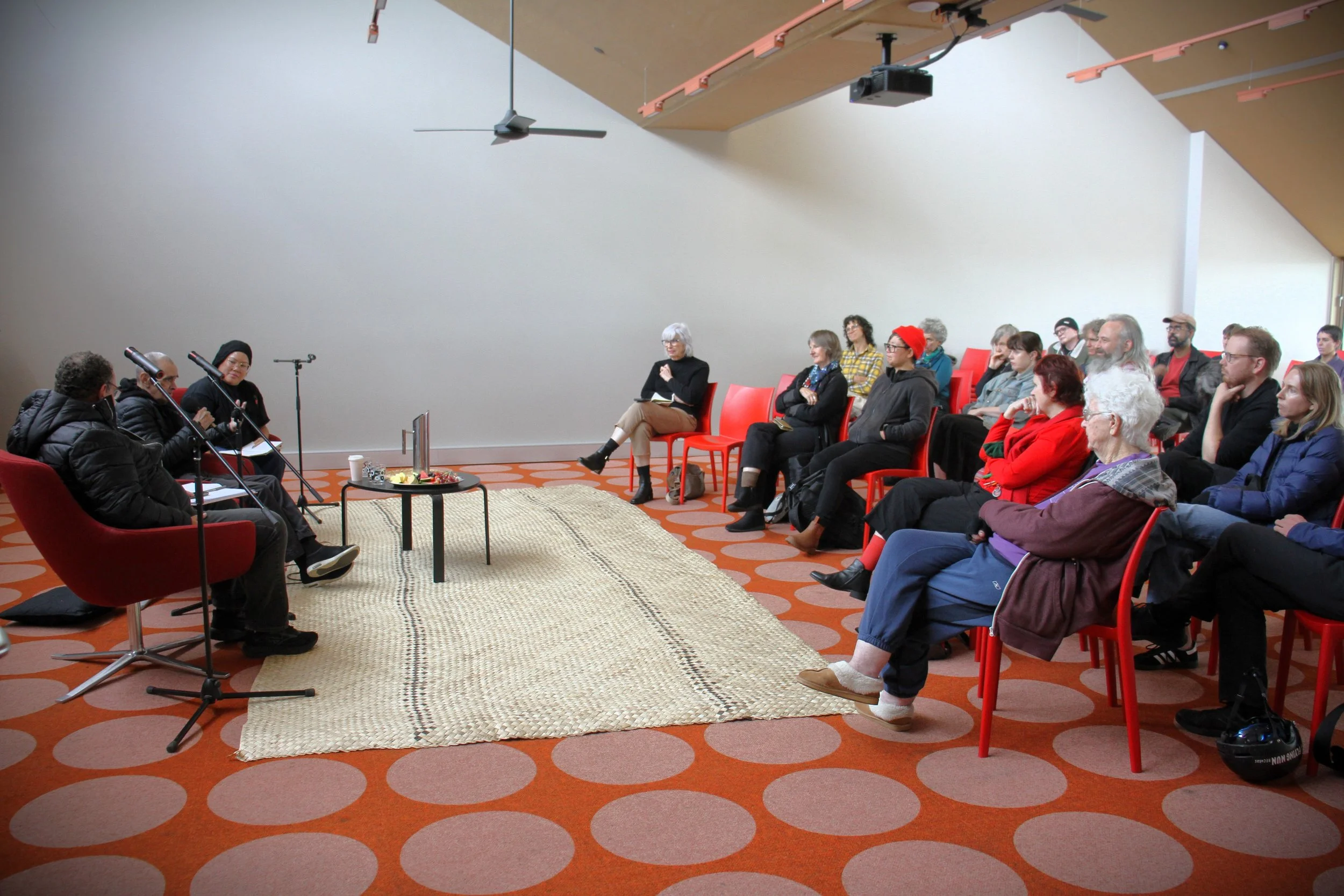
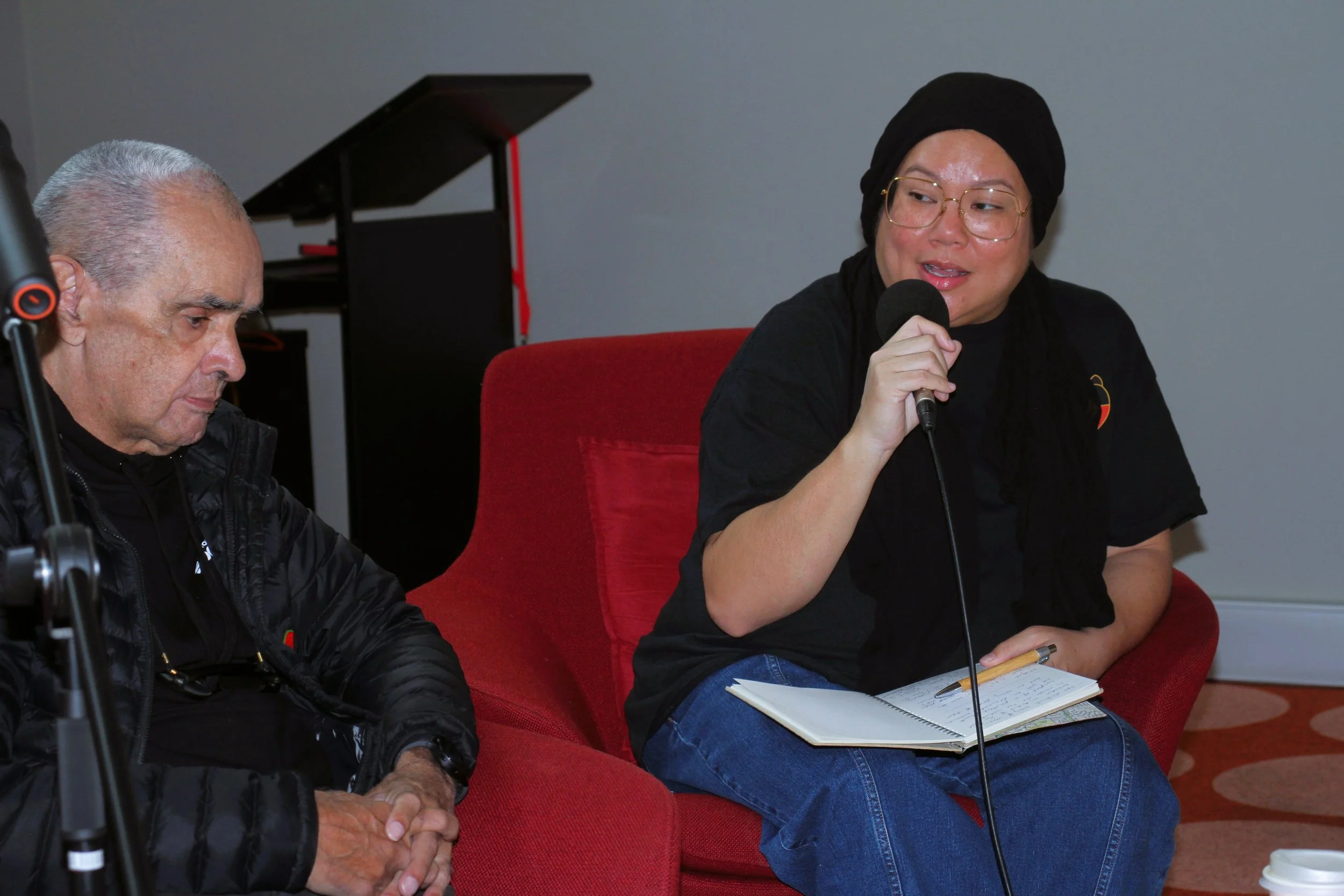
Photo Credit: Sumitra Vignaendra
Join co-curator Dr. Eugenia Flynn in conversation with Prof. Gary Foley and Wayne Ludbey for a discussion centred on the practice of Gomeroi/Gamilaraay Murri photojournalist Barbara McGrady (Aunty Barb).
For more info read here →
We Should Be Seen, We Should Be Heard exhibition is generously supported by the Aboriginal History Archive, Australian Governments’ Australian Research Council and Victoria University’s Institute for Health & Sport.
