
///\\\///\\\///\\\
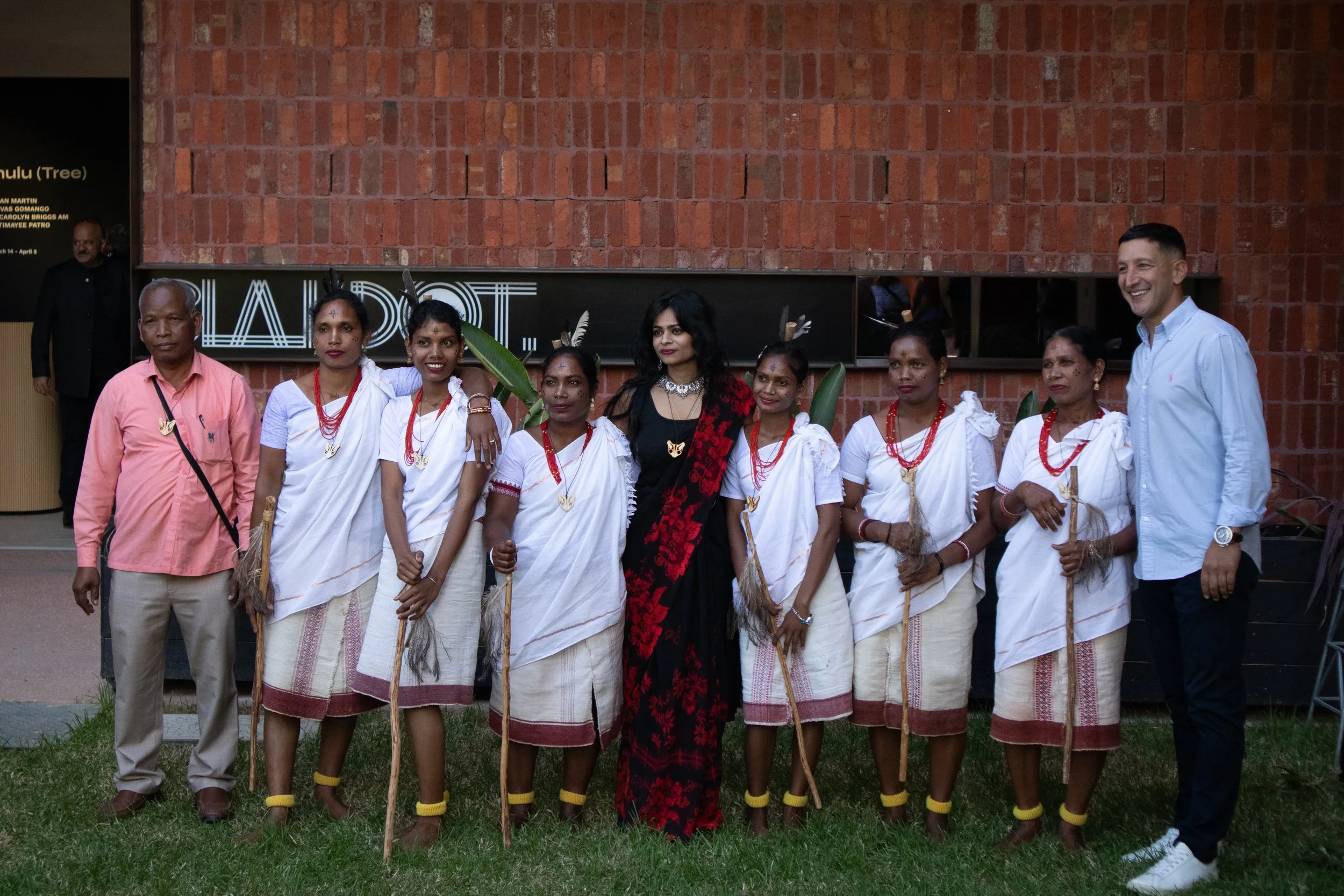
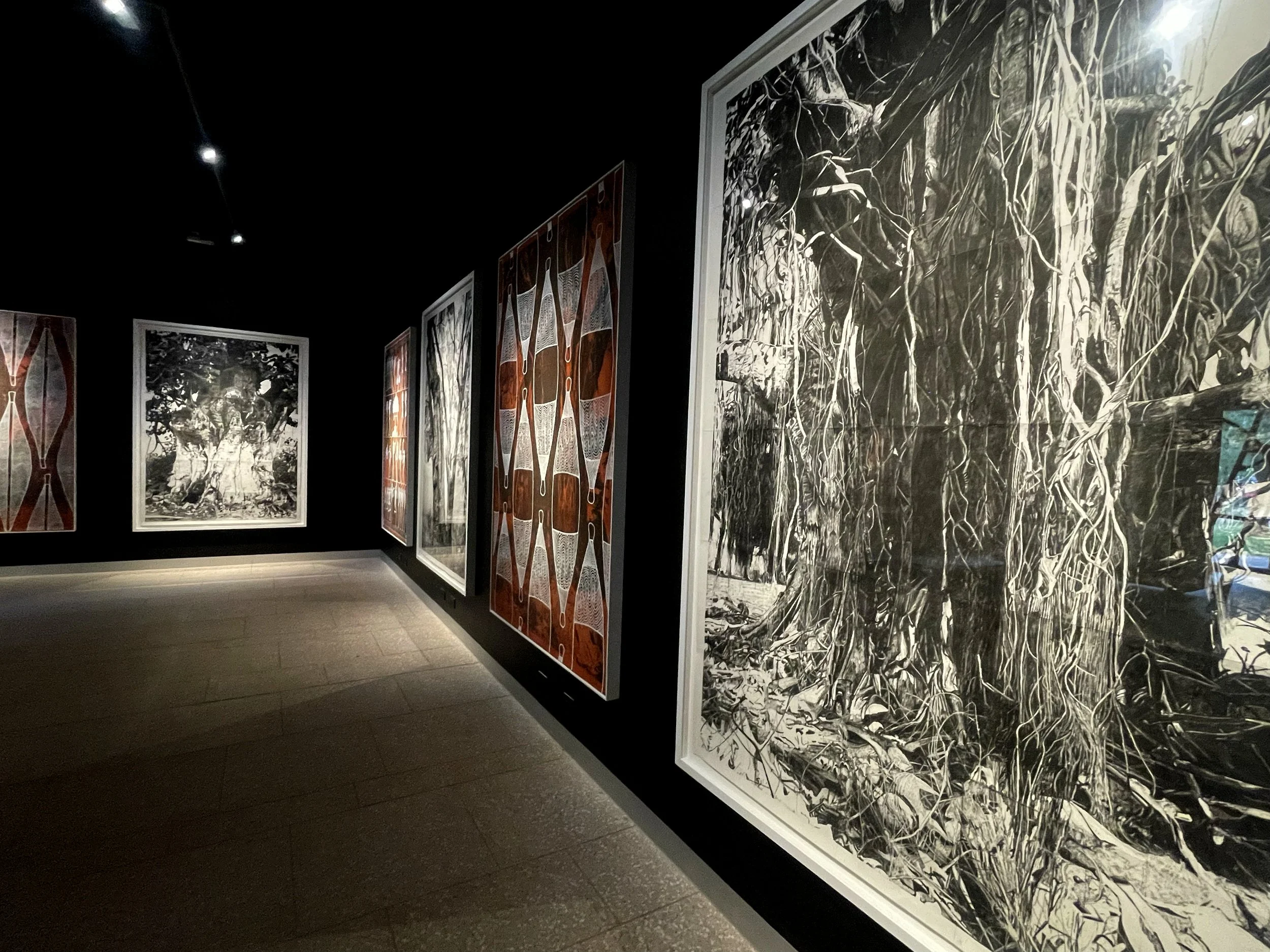
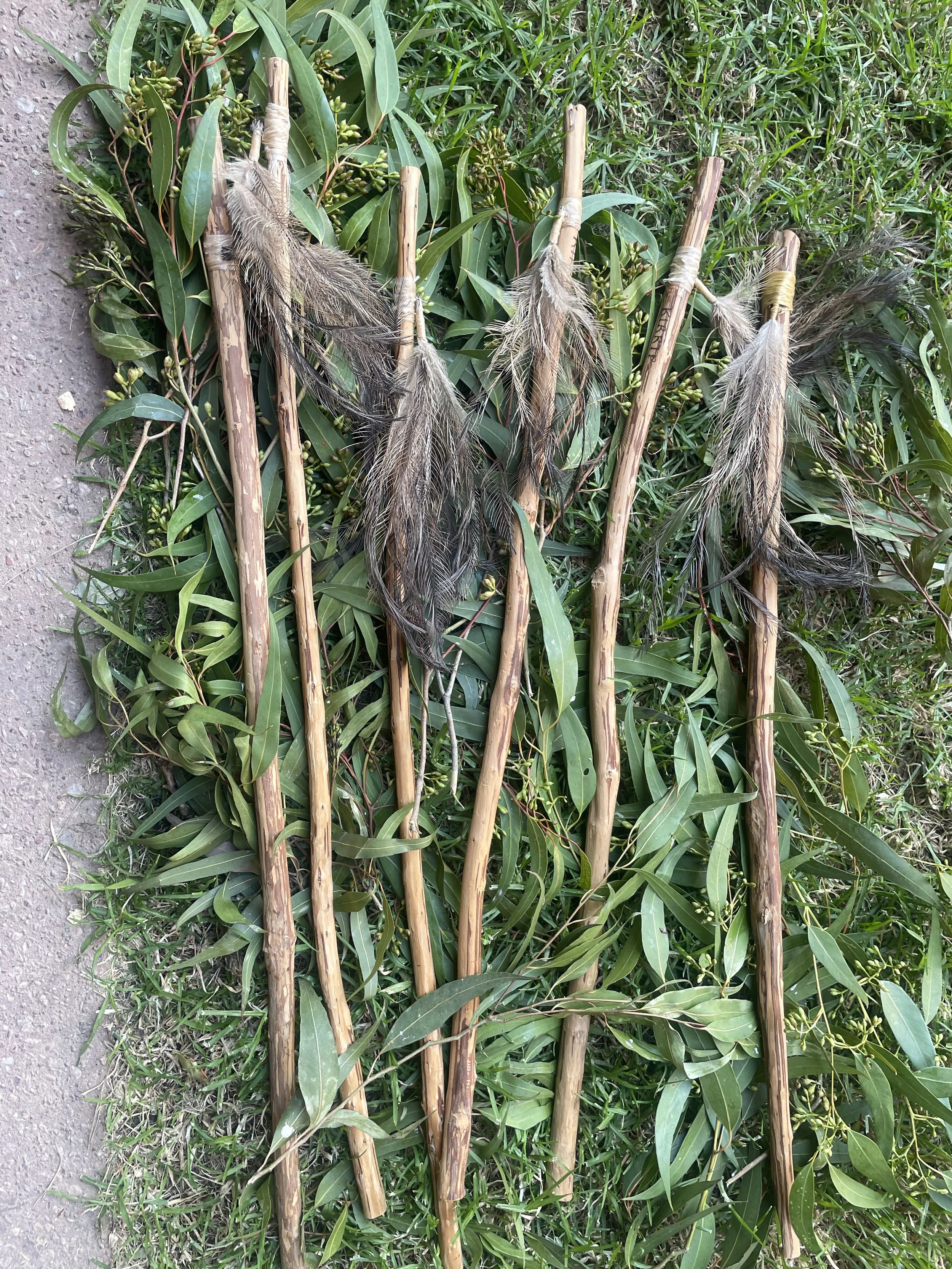
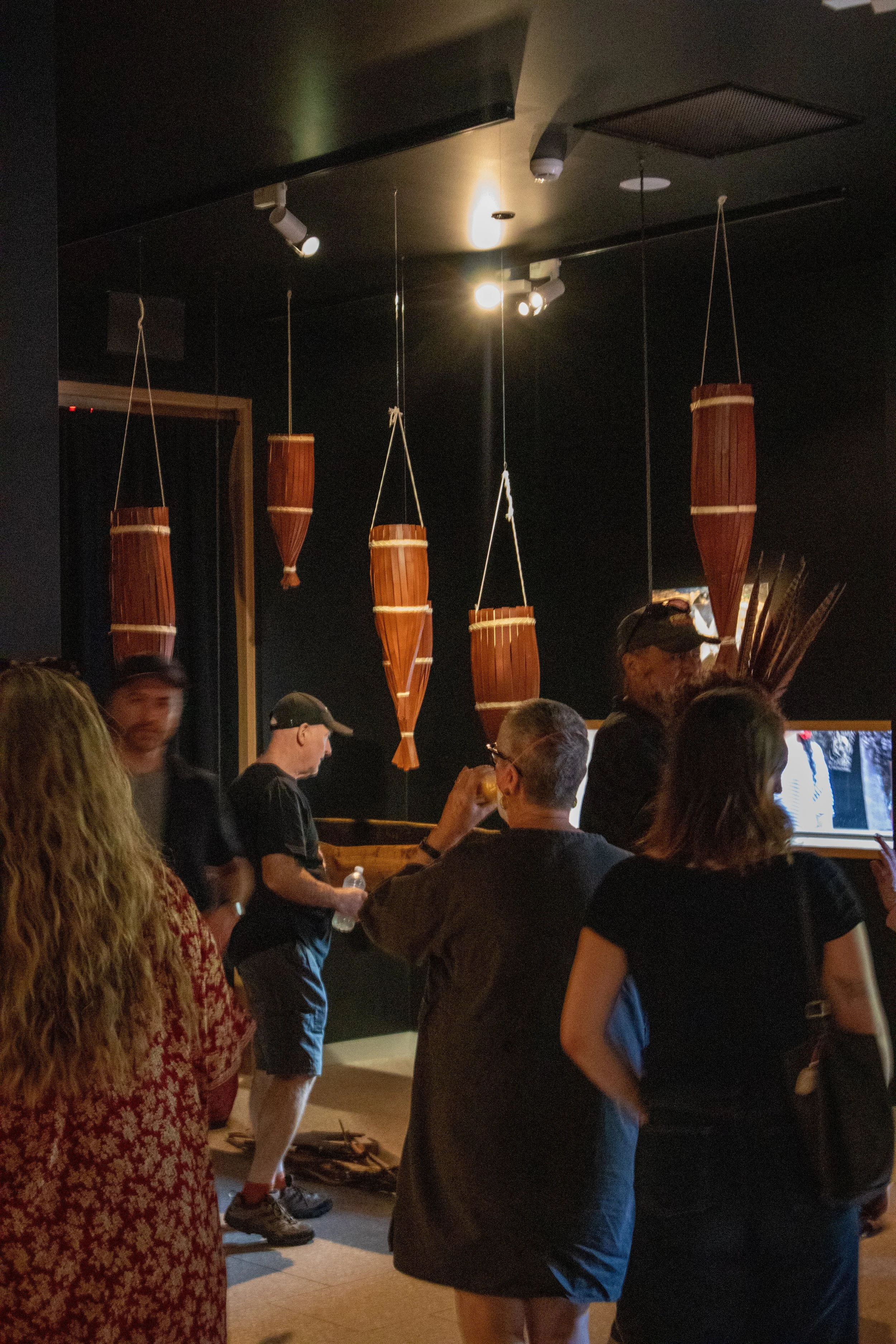
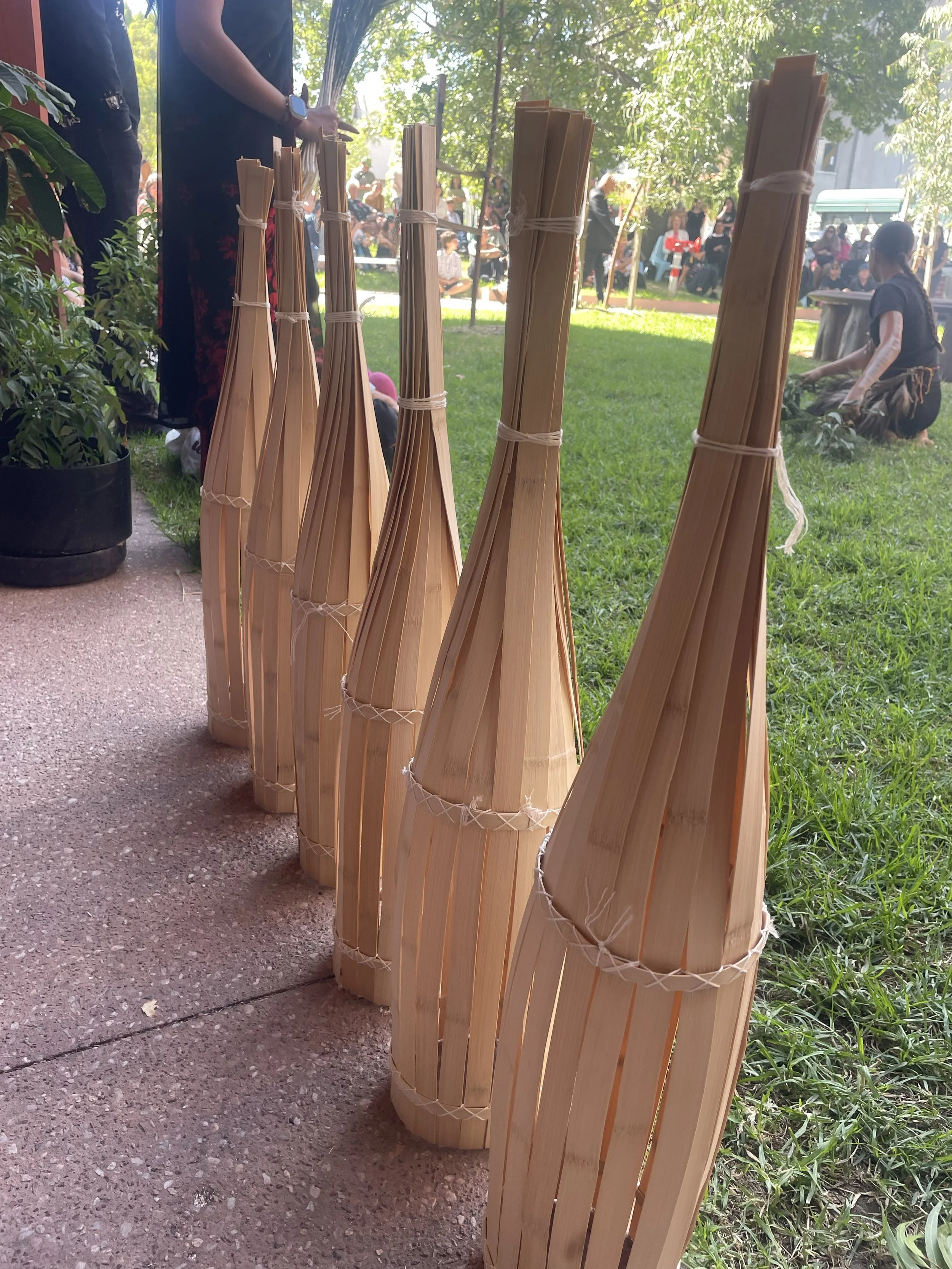
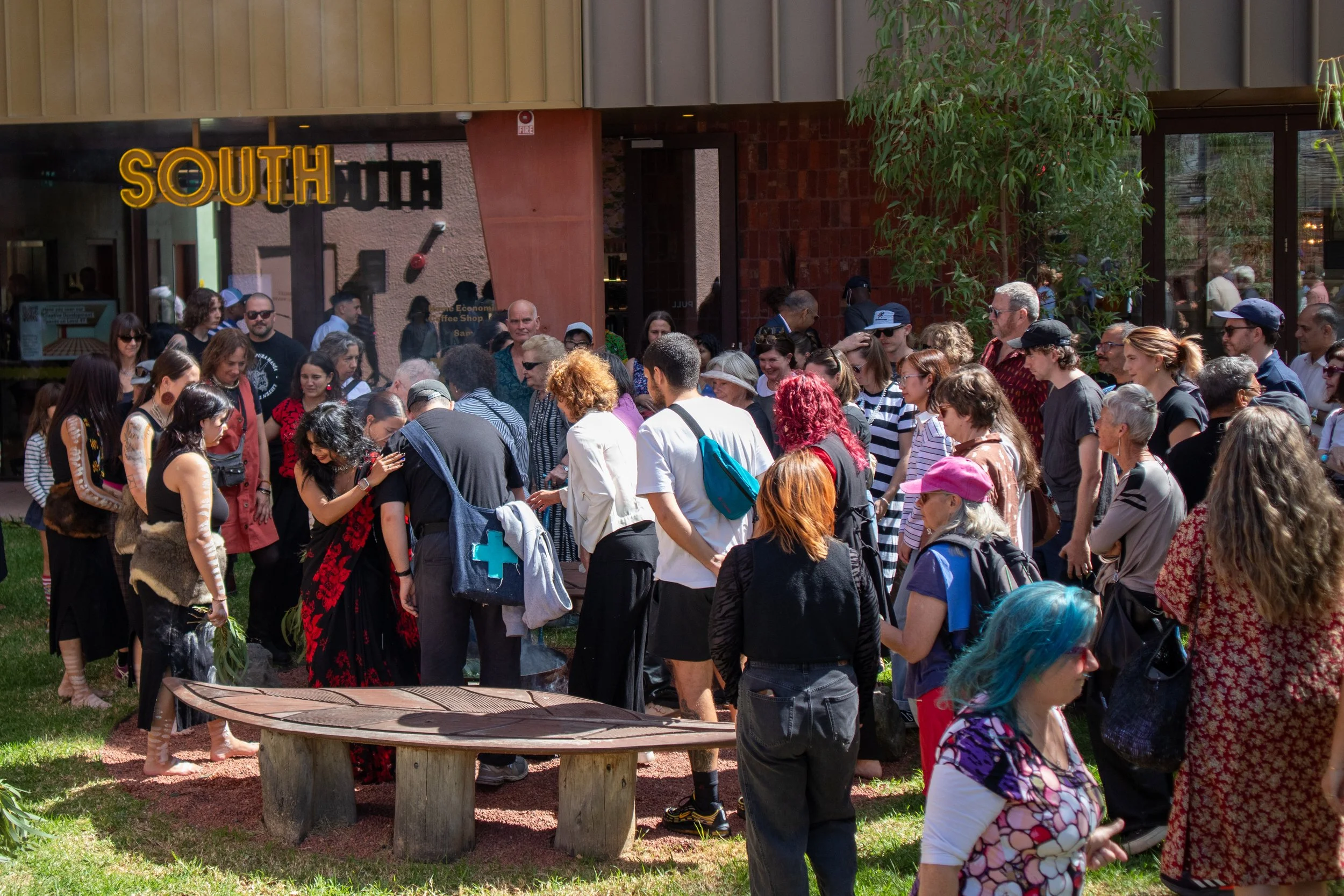
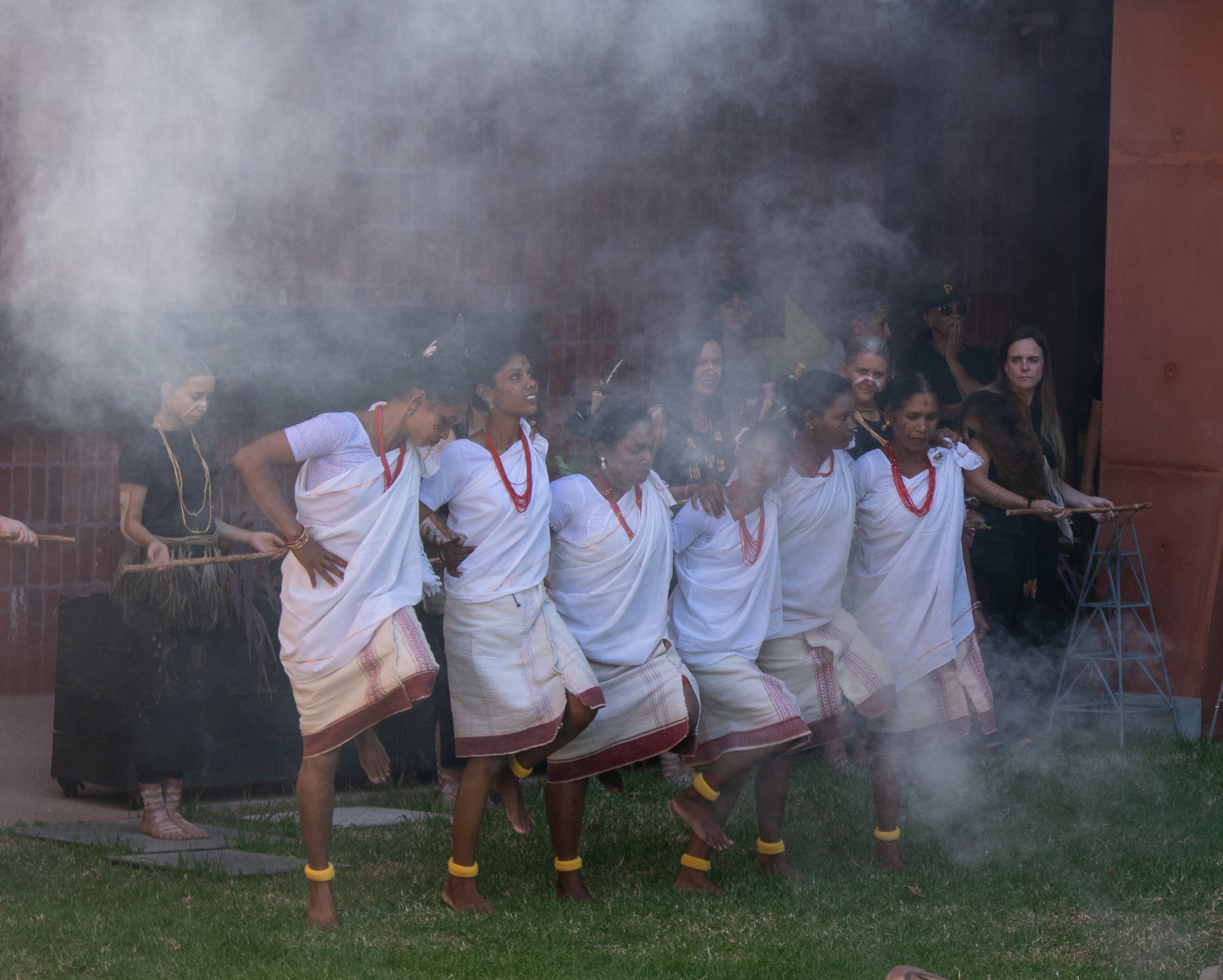
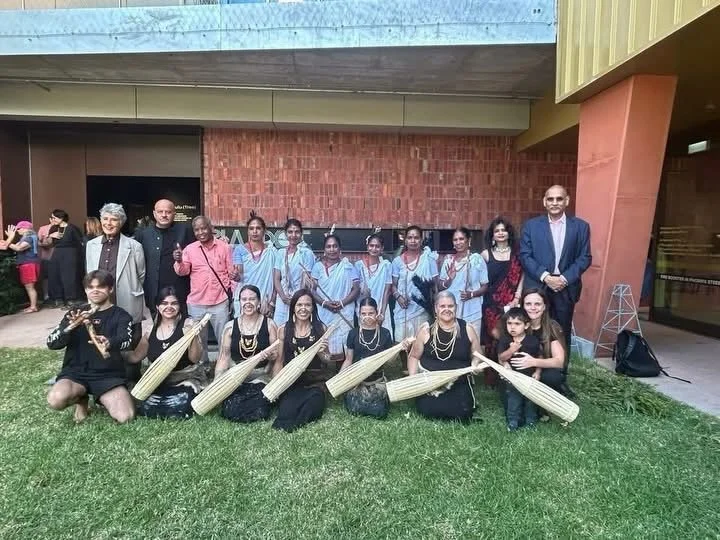
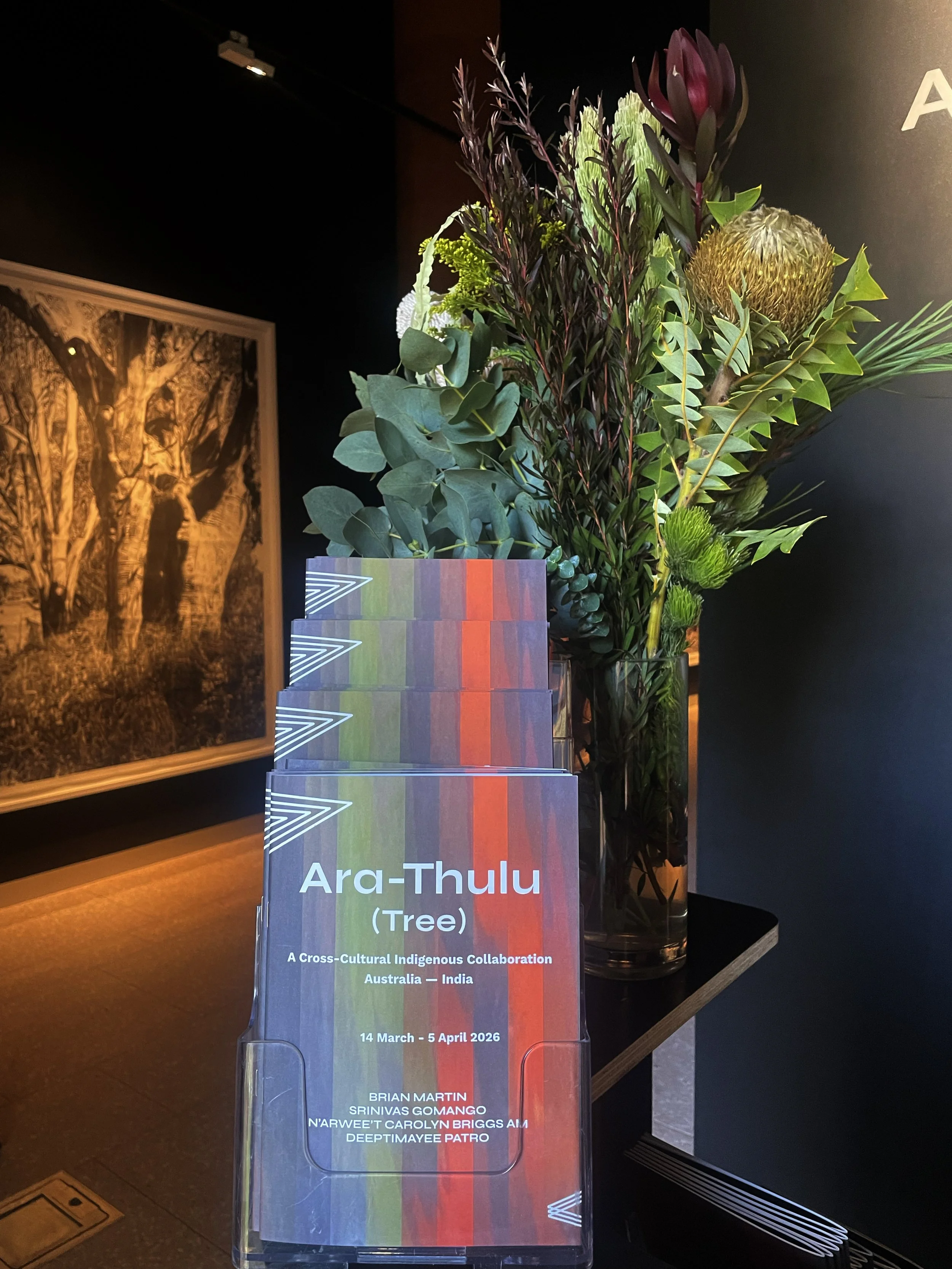
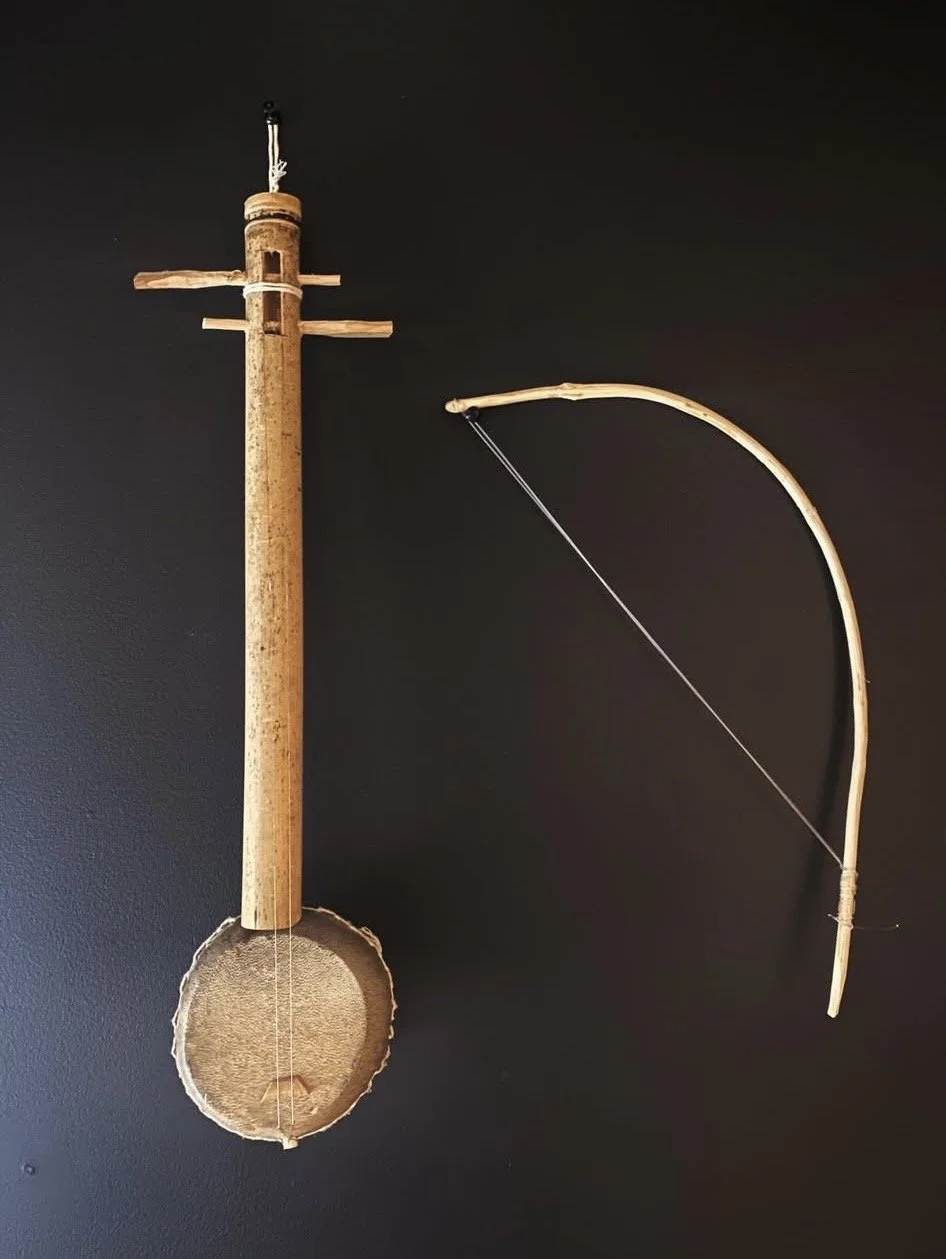
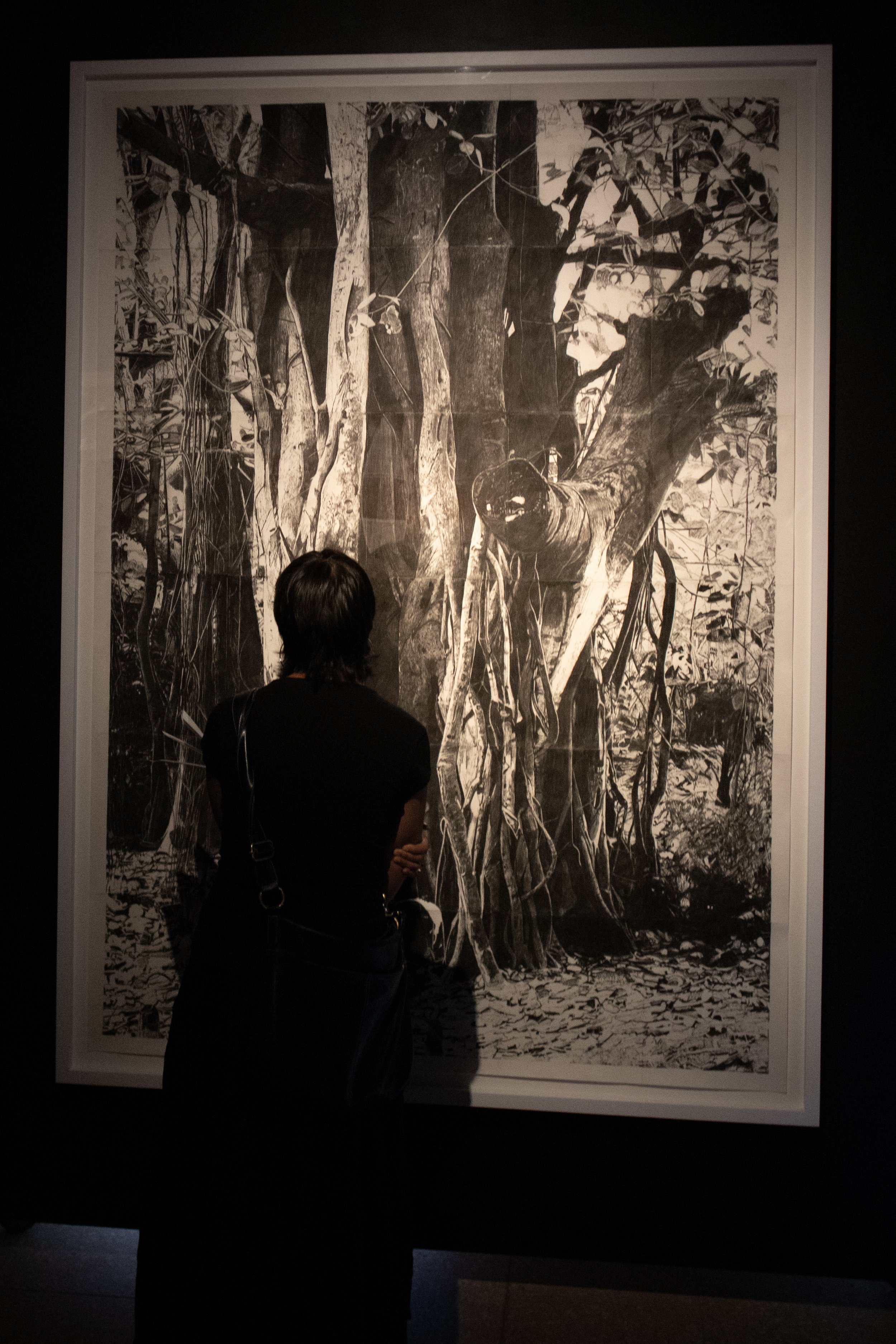
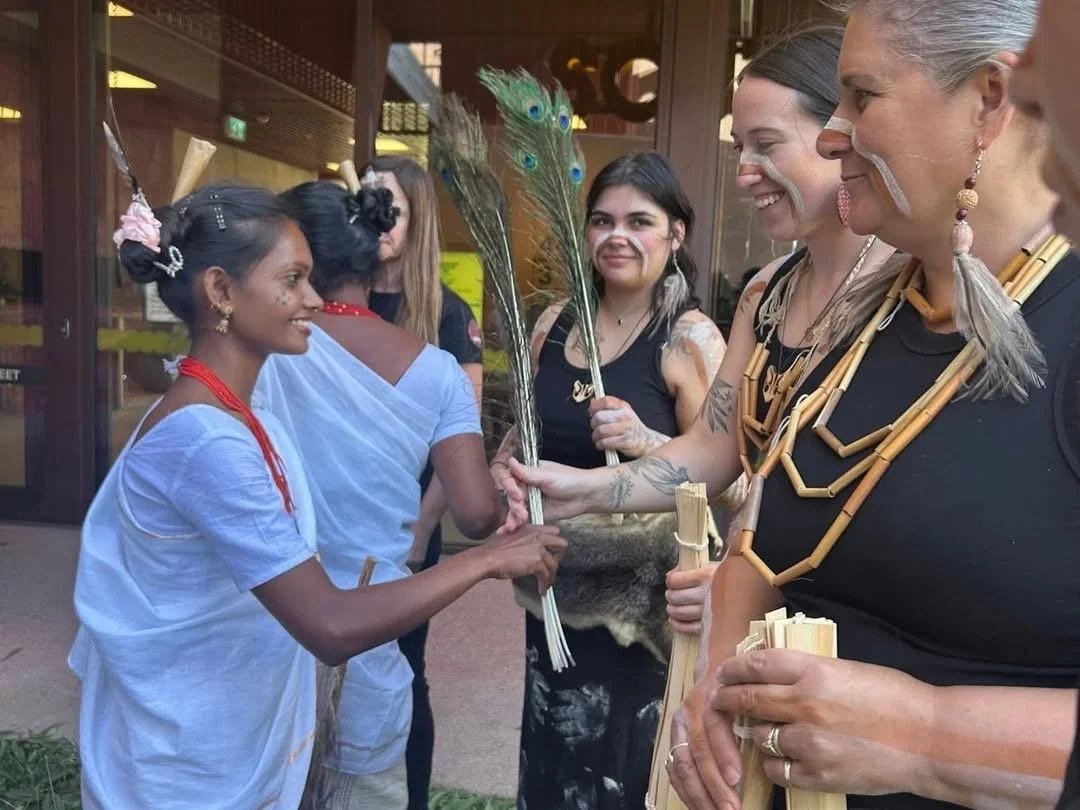
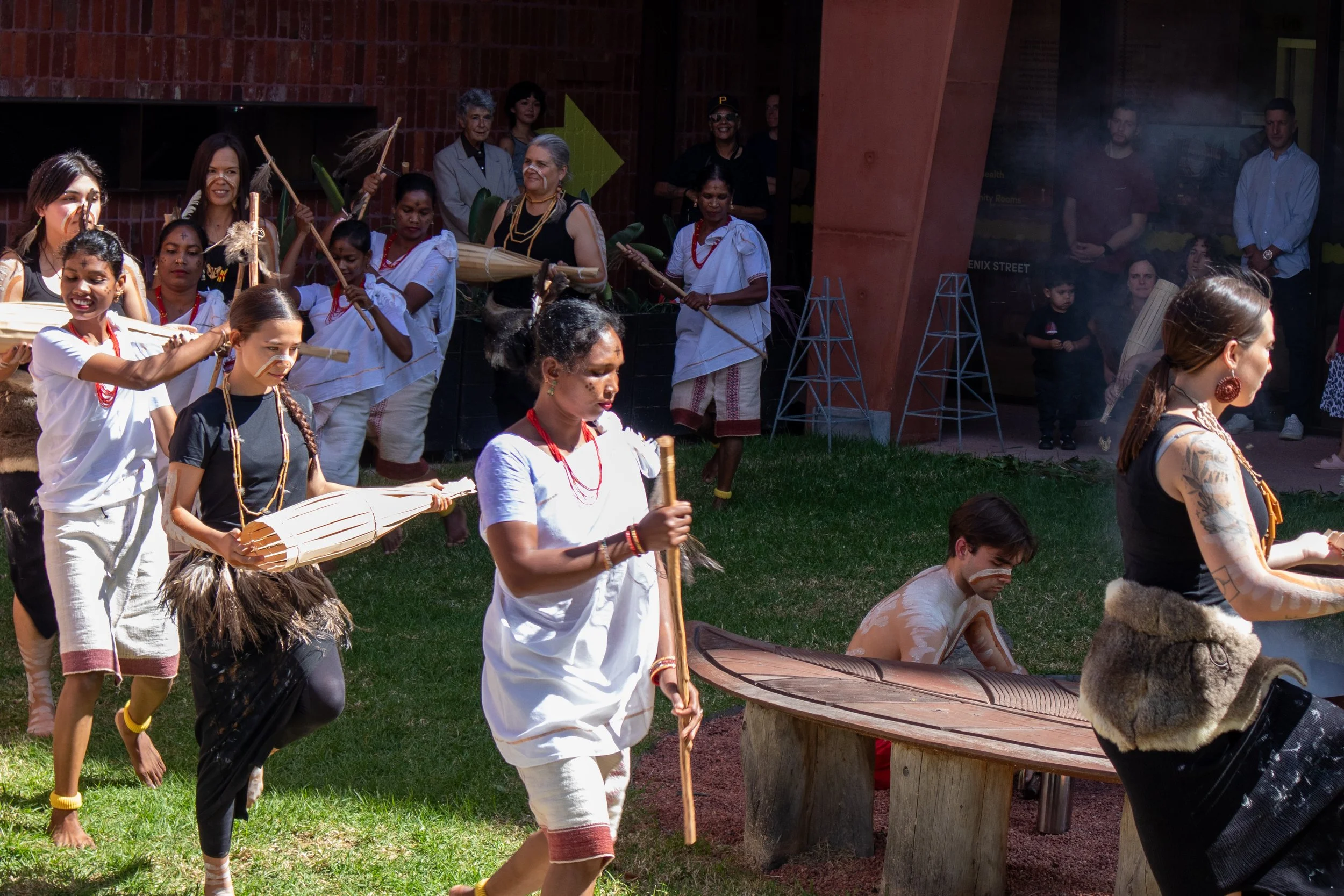
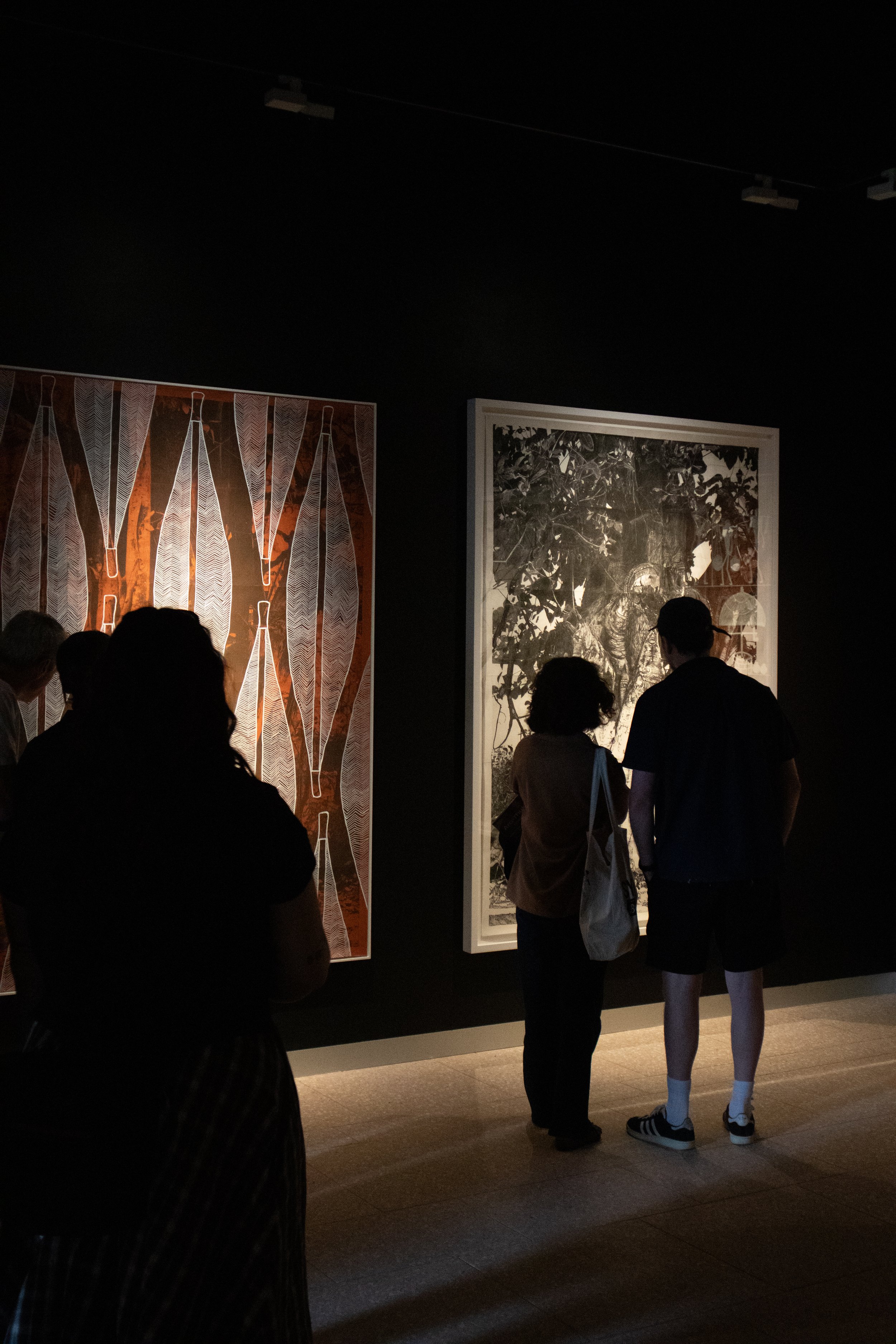
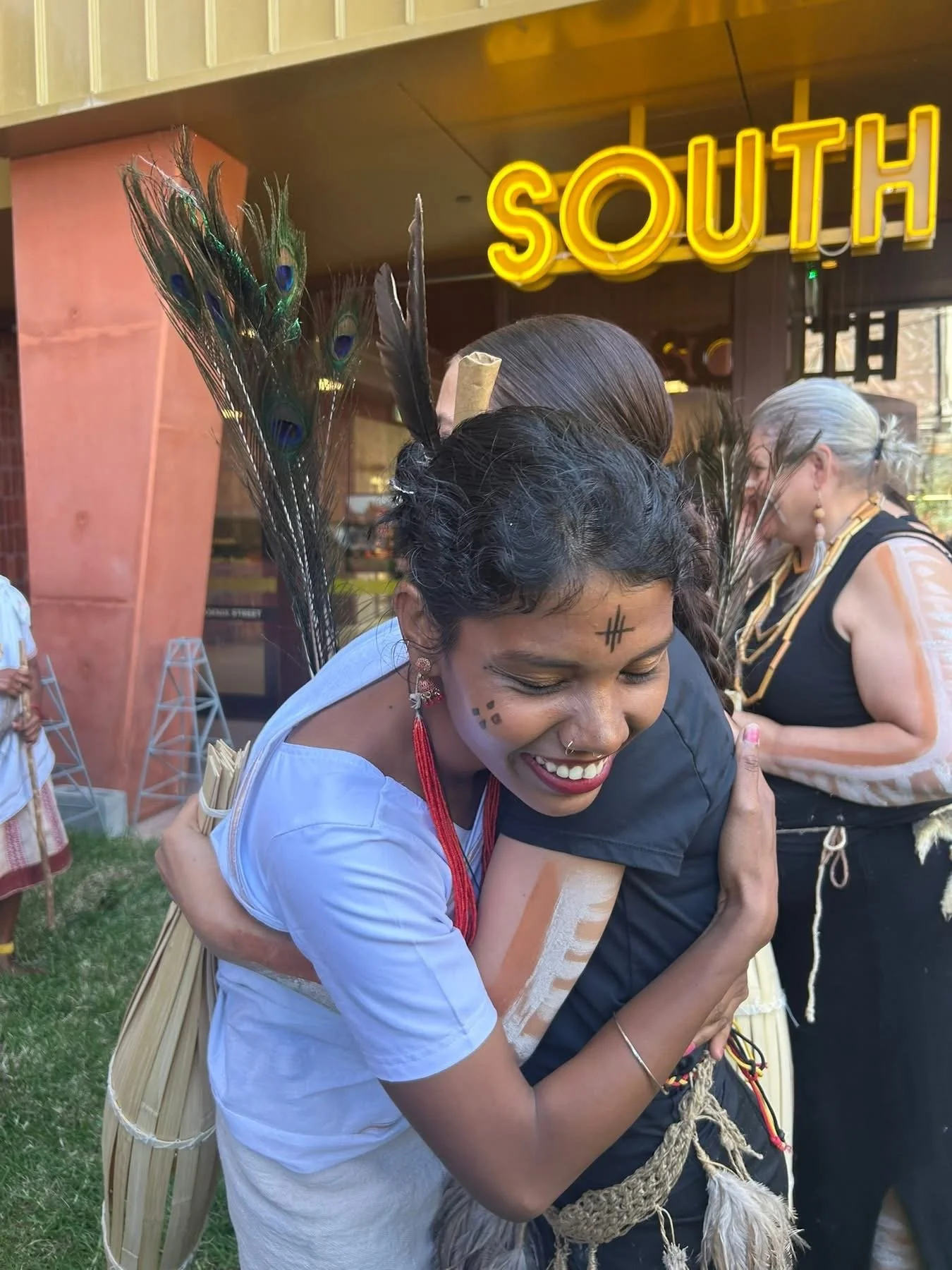
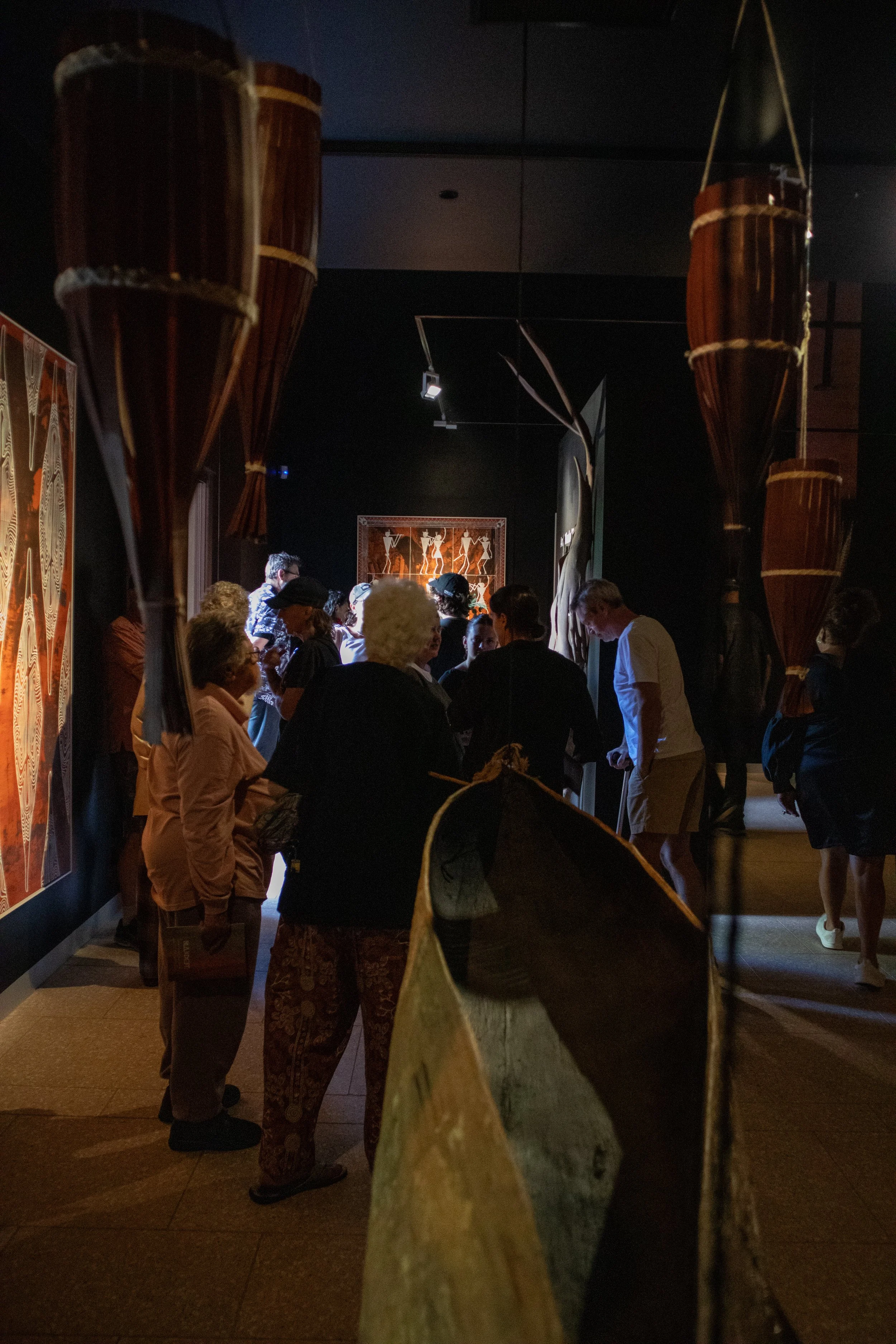
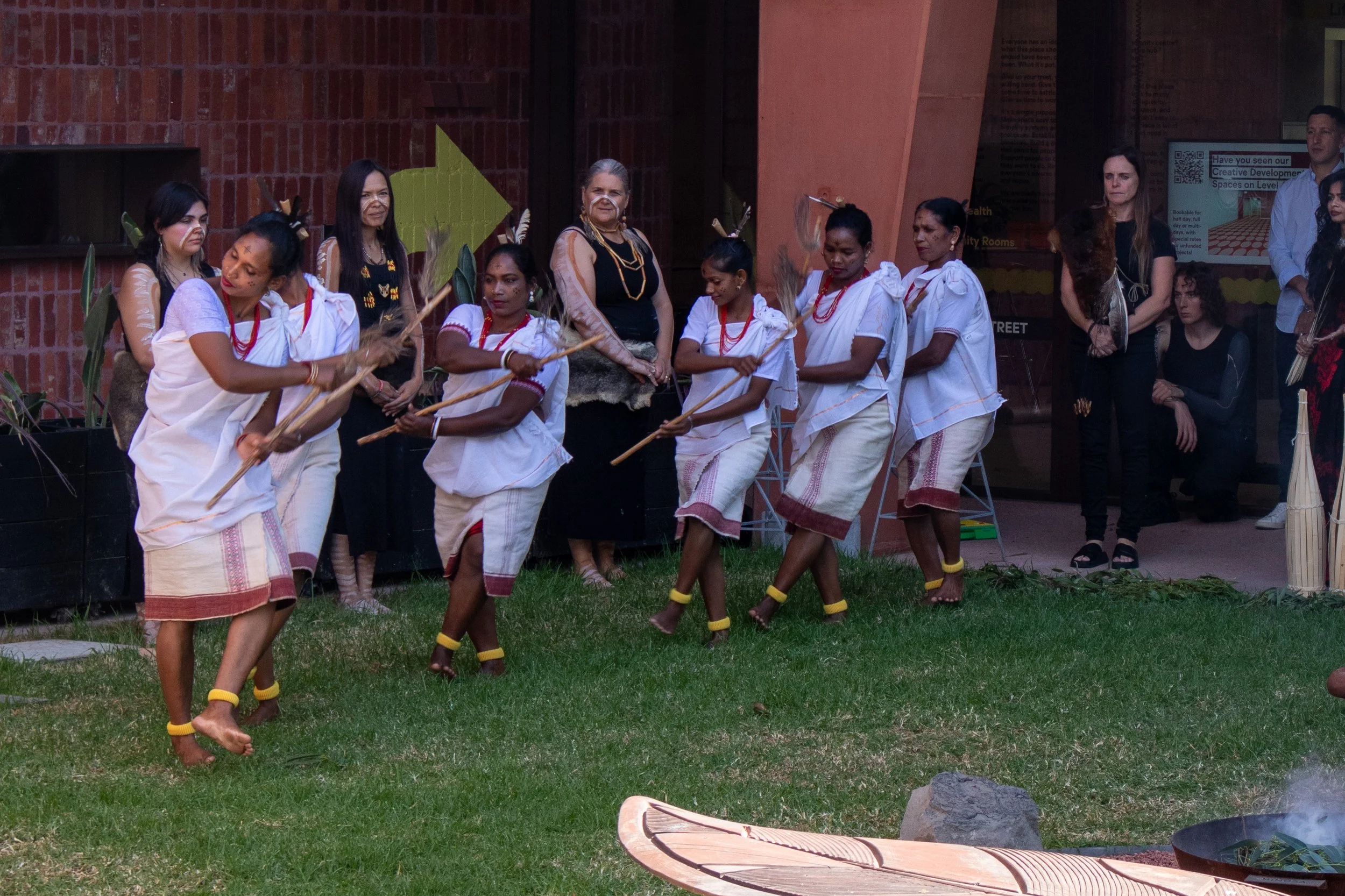
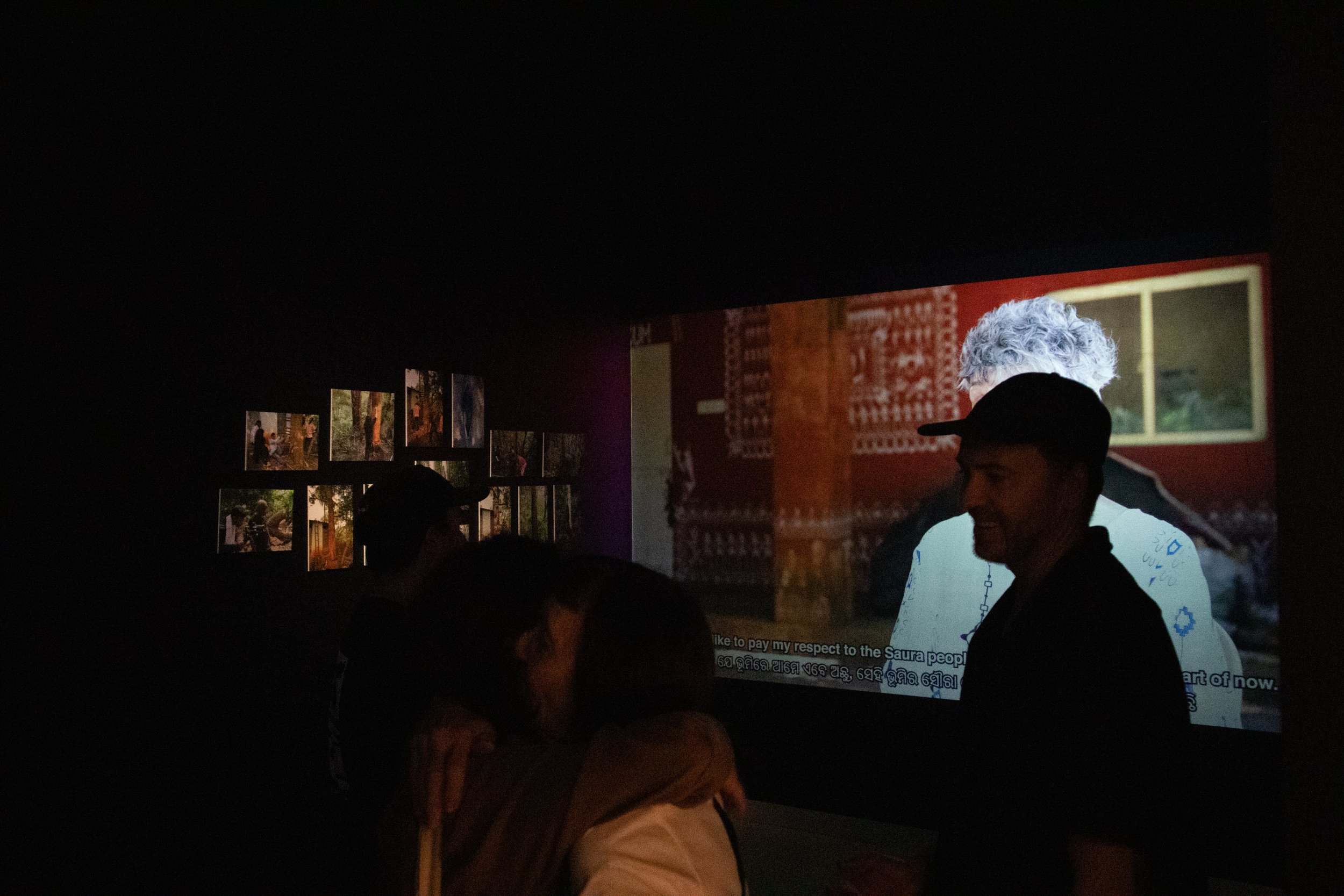
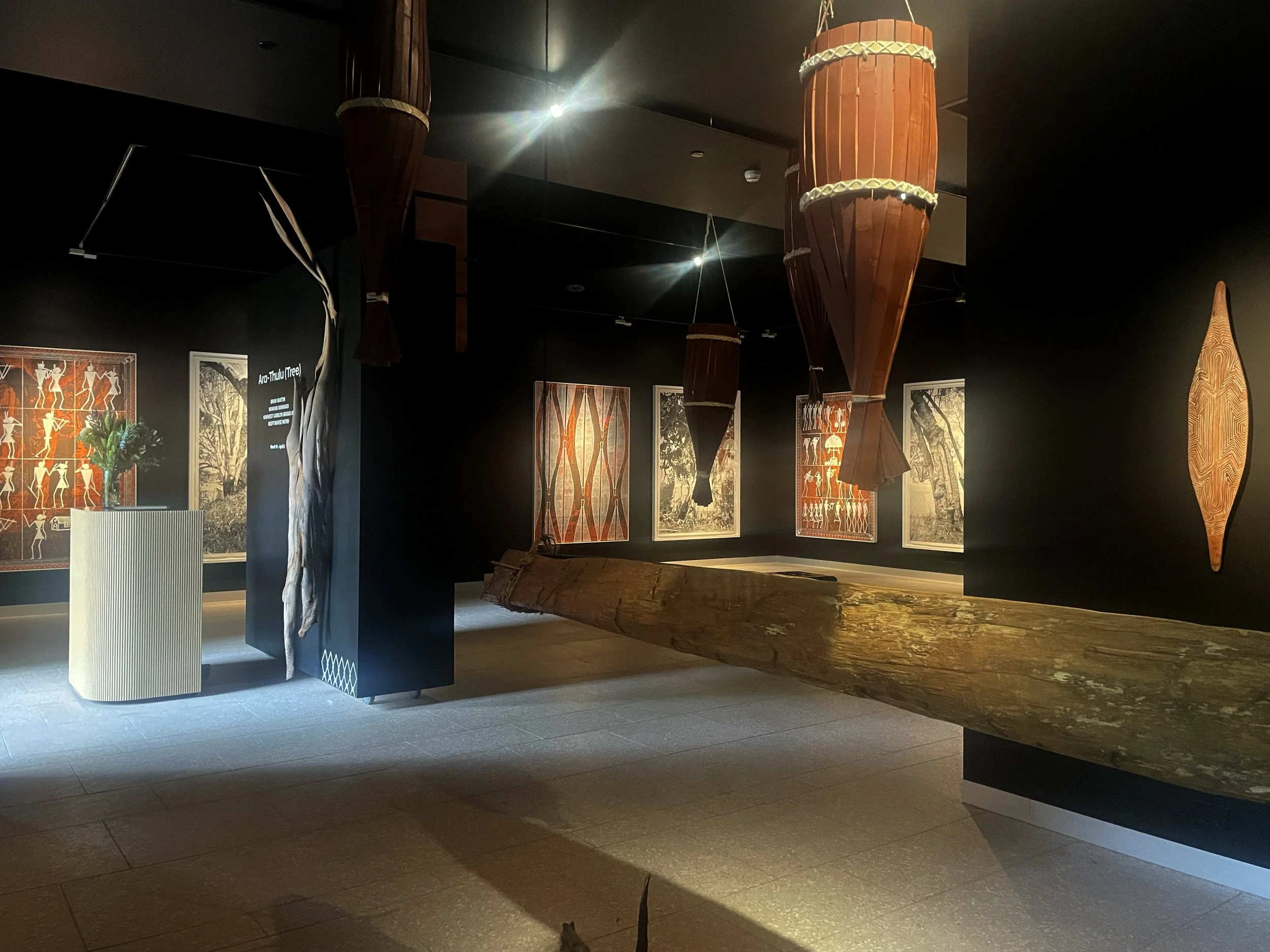
Image credit: Cody Smith
• speeches by AUNTY N'arweet Carolyn Briggs AM, Srinivas Gomongo and Brian Martin
• Welcome to Country and Smoking ceremony by Mandy Nicholson
• official opening by Professor Mukti Mishra, President Centurion University, Odisha, India
• Ara Kin-Baban Darrang - a HYBRID DANCE PERFORMANCE with Lanjia Saura dancers X Djirri Djirri dancers
///\\\///\\\///\\\
N'arweet Carolyn Briggs AM, Deeptimayee Patro, Srinivas Gomango, Brian Martin
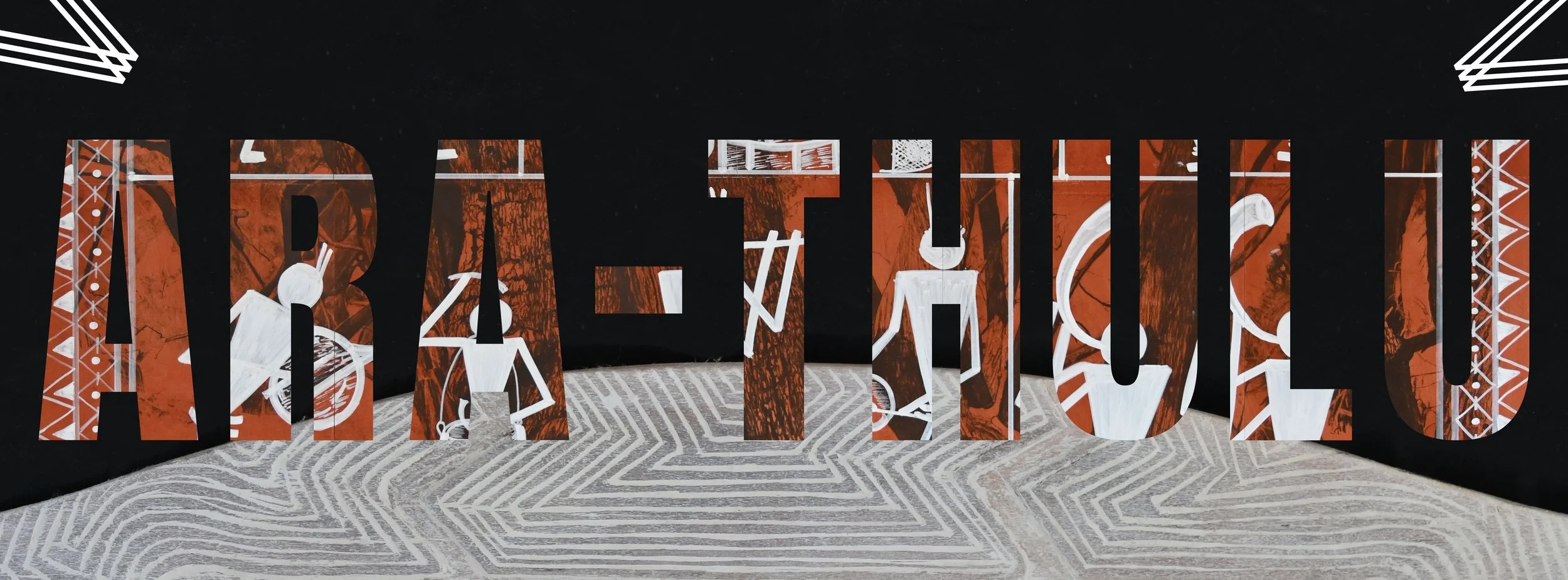
Ara-Thulu (Tree) is an exhibition born from a year-long Indigenous collaboration between Lanjia Saura artists from Odisha, India, and Aboriginal artists and cultural custodians from Boonwurrung, Wurundjeri, and Kamilaroi Country in Australia. Through shared making, performance, and story, the project explores how trees hold knowledge of place, kinship, survival, and responsibility.
The exhibition presents drawings, paintings, sculptural objects, film, and live performance developed through workshops in Saura villages and on Country in Australia. These works are not representations of trees - they are made with trees, using bark, charcoal, pigment, bamboo, eucalyptus, mango wood, and the cultural laws that guide how these materials are gathered and used.
At the heart of the exhibition are paired practices: Lanjia Saura Idital paintings layered over Kamilaroi tree drawings; bamboo fish traps exchanged between dancers; a Kendra instrument built in India and recreated in Australia; and two canoes carved from different trees on different lands. These pairings generate a dialogue about continuity, adaptation, and shared Indigenous relationships to Country.
On 14 March 2026, Lanjia Saura and Wurundjeri-led Djirri Djirri dancers come together in a hybrid ceremony of exchange. Objects pass between hands, songs move between languages, and trees become the meeting ground. The Ara Kin-Baban Darrang performance - song, movement, and ancestral knowledge - interweaves stories, objects and rhythm, celebrating cross-cultural dialogue, reciprocity, and enduring Indigenous knowledge.
Ara-Thulu invites audiences to encounter Indigenous knowledge not as heritage, but as living practice - grounded in care for Country, mutual responsibility, and the understanding that all life is held in relationship.
-
N’arwee’t Carolyn Briggs AM
Boonwurrung Senior Elder | Key Indigenous Knowledge Holder
N’arwee’t Carolyn Briggs AM is a respected Boonwurrung senior Elder and cultural custodian whose life and work are grounded in the deep responsibilities of caring for Country, culture, and community. As a knowledge holder, she carries the living traditions of Boonwurrung ways of knowing, where land, trees, water, and spirit are understood not as separate elements, but as one interconnected living system.
Her presence embodies cultural authority, guidance, and continuity. Her engagement brings integrity to the project by anchoring it in Indigenous protocol and respect for Country. Through her wisdom, she reminds that Indigenous cultures as living knowledge systems-not symbols, but ancestral presences rooted in land, law, and relationship. Through ritual, storytelling, and cross-cultural dialogue, she foregrounds Indigenous wisdom as relational, ecological, and embodied, guided by respect, protocol, and responsibility.
Srinivas Gomango
Lead | Artist and Cultural Practitioner
Srinivas Gamango is a cultural custodian and elder of the Lanjia Saura community in Odisha, India, who has dedicated over 40 years to preserving Saura heritage through art, dance, music, language, and education. He has trained over 300 teachers, revived traditional instruments, and passed ancestral knowledge to new generations. At Centurion University of Technology and Management, India Srinivas serves as Tribal Village In-Charge.
Srinivas’s work spans drawing, movement, and performance. His drawings translate rhythm and bodily knowledge into visual form, while his dance practice activates cultural memory through movement, breath, and collective presence. For him, art is not separate from life-it is a way of remembering, teaching, and sustaining relationships with land and trees.
Deeptimayee Patro
Project Coordinator | Choreographer
Deeptimayee Patro is the Project Coordinator and Choreographer for the Ara Thulu (Tree) Project. She plays a central role in shaping the project’s research, artistic direction, and community engagement, ensuring that cultural protocols, respect, and ethical collaboration remain at the heart of every stage of the work.
Deeptimayee brings over seven years of professional experience in Human Resources, having led and supported projects across Allied Health and Paramedics, and Beauty and Wellness sectors-experience that strengthens her leadership, ethical governance, and community-centred approach to cultural work.
Rooted in a lifelong practice of Indian classical, Sambalpuri, Bollywood, and Saura-inspired dance, she integrates movement as a form of embodied research and cultural expression. Through choreography, workshops, and performance, she translates ancestral knowledge into living, contemporary forms.
Brian Martin
Lead | Creative/Cultural Practitioner and Researcher
Brian Martin, born in Redfern Sydney, is Bundjalung, Kamilaroi and Muruwari and a leading Indigenous creative practitioner and academic. He is currently the director of Wominjeka Djeembana Indigenous Research Lab. Brian is represented by William Mora Galleries and has been a practising artist for over thirty years, exhibiting both nationally and internationally specifically in the media of painting and drawing. His research and practice focus on refiguring creative practice and culture from an Indigenous ideological perspective based on a reciprocal relationship to “Country”.
Brian’s drawings function as a form of thinking-using line, form, and repetition to explore trees as systems of connection rather than objects of study. His visual practice operates alongside written scholarship, treating drawing as a legitimate research method that reveals relationships between Country, community, memory, and ethics.
-
Djirri Djirri
Djirri Djirri Dancers are a Wurundjeri led female dance group, and, also Traditional Custodians of Narrm (Melbourne). Djirri Djirri means Willy Wagtail in Woiwurrung, the language of Wurundjeri people. The Willy Wagtail the Spirit Bird, gave them dance. Many of their group have danced since they were young children, while others have learnt as adults. You will hear Dr Mandy Nicholson singing in Woiwurrung, the language of the Wurundjeri people and watch the language come to life through dance.
Lanjia Saura Dancers
Lesi Raita:
Lesi Raita is a Lanjia Saura cultural dancer and singer from Satar village in Gajapati District, Odisha. Deeply connected to ancestral traditions, she performs ceremonial and festive dances rooted in the rhythms of agricultural life and community rituals. Alongside dance, she preserves oral storytelling, traditional songs, and knowledge of Saura costume and ornamentation. A farmer and cultural educator, Lesi actively teaches younger generations the meanings embedded in Saura performances. She has represented her region in district and state cultural festivals and participates in inter-village exchanges. Lesi is part of the international Ara Thulu (Tree) cultural delegation, sharing Saura heritage through cross-cultural collaboration.
Prity Raita:
Prity Raita is a young Lanjia Saura dancer from Parsa Garjang village, Gajapati District, committed to sustaining her community’s living cultural traditions. A graduate fluent in multiple languages, she bridges tradition and contemporary engagement through performance and cultural education. Prity performs ceremonial Saura dances and songs learned from elders, participating in festivals, weddings, and community gatherings. Raised in a farming family, her dance practice follows seasonal agricultural cycles, reinforcing connections between land and culture. She actively contributes to cultural learning among children and youth. As a member of the Ara Thulu (Tree) international delegation, Prity represents emerging generations carrying Saura heritage forward.
Santima Raita:
Santima Raita is a Lanjia Saura dancer and cultural practitioner from Bhalia Sahi, Gajapati District. Known for her expressive performances, she preserves ceremonial dances, traditional music, and oral storytelling inherited through community knowledge systems. A farmer and mother, Santima integrates dance into seasonal rituals connected to sowing and harvest, maintaining the spiritual relationship between land and culture. She has performed at village celebrations and regional cultural festivals and contributes actively to women’s cultural groups that mentor younger performers. Selected for the Ara Thulu (Tree) international cultural exchange, Santima shares Saura artistic traditions within global intercultural dialogue.
Santoshini Pujari:
Santoshini Pujari is a Saura dancer from Dumba village whose practice reflects strong intergenerational learning and community participation. She performs traditional Lanjia Saura dances and songs during ceremonies, festivals, and collective gatherings, sustaining oral narratives passed down through elders. Raised in an agricultural family, her performances align with seasonal cycles and communal rituals. Santoshini also supports cultural learning by helping younger performers understand the meanings behind dances and songs. Her participation in district-level cultural programs reflects her growing role as a cultural bearer. She joins the Ara Thulu (Tree) project as part of an international effort to share Saura knowledge and artistic traditions.
Subasini Gamango:
Subasini Gamango is a senior Lanjia Saura cultural dancer from Bailapadar village with decades of experience preserving traditional performance practices. A respected knowledge holder, she carries ancestral songs, ceremonial dances, and storytelling traditions central to Saura cultural life. As both farmer and cultural mentor, she connects dance with seasonal agricultural rhythms and community rituals. Subasini plays an important role in guiding younger dancers and assisting elders in maintaining ceremonial practices. Her participation in local and regional festivals reflects her longstanding contribution to cultural continuity. Through the Ara Thulu (Tree) international collaboration, she shares elder knowledge within a global intercultural context.
Tabita Sabara:
Tabita Sabara is a Lanjia Saura dancer from Kanada village, Gajapati District, dedicated to sustaining traditional dance and song practices within her community. She performs ceremonial and festive dances accompanied by Saura music and storytelling traditions learned through oral transmission. As a farmer and mother, Tabita’s artistic practice remains closely connected to agricultural cycles and seasonal celebrations. She actively participates in women’s cultural groups and supports the transmission of performance knowledge to younger generations. Having represented her region in cultural festivals, she now joins the Ara Thulu (Tree) international delegation, sharing Saura cultural heritage through cross-cultural artistic exchange.
Ara-Thulu (tree) is a MADA Wominjeka Djeembana research lab project supported by the Centre for Australia-India Relations and in partnership with Centurion University of Technology and Management.

In partnership with:
